


Pain Relief


Etoricoxib
Arcoxia, a potent medication in the selective COX-2 inhibitor class, is used primarily for managing ...


Colchicum autumnale
Colchicine is a well-established medication used primarily for the treatment and prevention of gout ...


Duloxetine
Cymbalta, a versatile medication with a gentle touch, offers relief for both emotional and physical ...

Diclofenac sodium

For those seeking effective relief from pain and inflammation, Etodolac offers a targeted solution ...



Сyclobenzaprine hcl


Meloxicam

Meloxicam

Prucalopride

Benzocaine


Mefenamic Acid
When pain or inflammation flares up, disrupting your day, Ponstel steps in to provide targeted relief. ...


Topiramate
Topamax is more than just a medication; it's a key to unlocking a life with fewer limitations. Whether ...

Oxcarbazepine
Living with seizures can be overwhelming, but Trileptal offers reliable control that helps you regain ...

Diclofenac sodium

Diclofenac sodium


Zolmitriptan

Tizanidine
When muscle spasticity and tightness hold you back, Zanaflex offers a path to greater comfort and ...
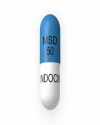
Indomethacin
Indocin, a well-known medication in the nonsteroidal anti-inflammatory drug (NSAID) class, is used ...

Diclofenac
Imagine a life where pain and inflammation no longer dictate your actions. Voltaren isn't just another ...


Diclofenac
Voltaren SR isn't just another pain reliever; it's your key to unlocking extended relief from the ...

Dexamethason
Imagine having a team of highly trained specialists ready to tackle inflammation wherever it flares ...

Sumatriptan
Imagine a world where the fear of migraine no longer dictates your life. Imitrex isn't just another ...

Gabapentin
Imagine a life where the sharp stabs of nerve pain, the relentless burning sensations, and the unsettling ...


Phenazopyridine
Pyridium is your fast-acting solution for relieving the discomfort and irritation caused by urinary ...

Oxybutynin
Take control of your bladder health with Ditropan, the trusted solution for managing overactive bladder ...

Ibuprofen, a widely recognized nonsteroidal anti-inflammatory drug (NSAID), is effective for relieving ...
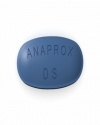

Probenecid
Benemid is your proactive partner in managing gout and hyperuricemia, offering a solution that addresses ...

Rizatriptan
Experience quick and effective relief with Maxalt, the fast-acting solution for migraine sufferers. ...



Paracetamol
When pain disrupts your day, Panadol steps in to provide fast, effective relief while being gentle ...

Diclofenac
Voltarol is your trusted partner for powerful and targeted pain relief, designed to help you overcome ...

Diclofenac
Voveran is your go-to solution for fast and effective pain relief, trusted by millions to manage acute ...

Diclofenac
Voveran SR is your reliable companion for managing chronic pain and inflammation, providing long-lasting ...


Indomethacin

Carbamazepine
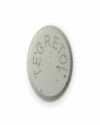
Carbamazepine


Hyoscine butylbromide

Dicyclomine/Paracetamol


Choline Salicylate/Lignocaine


Acetaminophen
Pain, an unpleasant sensation often described as a prickling, throbbing, stabbing, or burning sensation, can range from mild and fleeting to severe and debilitating. It can arise from a variety of causes, including injury, illness, surgery, or underlying medical conditions. Regardless of its origin, pain can significantly impact an individual's physical, emotional, and social well-being. It can interfere with sleep, daily activities, work productivity, and overall quality of life.
The Essence of Pain Relief
Pain relief, also known as analgesia, is the alleviation or reduction of pain through various methods, including medications, physical therapy, psychological interventions, and complementary therapies. The ultimate goal of pain relief is to improve the individual's quality of life and enable them to function optimally in their daily lives.
Pain is a complex phenomenon that can manifest in various forms, each with its unique characteristics and underlying mechanisms. Understanding the different types of pain is crucial in selecting the most appropriate pain relief approaches:
- Acute Pain: This type of pain is typically short-lived and arises suddenly in response to an injury, surgery, or illness. It serves as a warning signal, alerting the body to potential harm or damage. Acute pain usually subsides as the underlying cause heals.
- Chronic Pain: This type of pain persists for weeks, months, or even years, often lasting beyond the expected healing time. It can significantly impact an individual's quality of life, affecting their physical and emotional well-being. Chronic pain may be caused by a variety of conditions, such as arthritis, fibromyalgia, nerve damage, or cancer.
- Neuropathic Pain: This type of pain arises from damage or dysfunction of the nervous system. It is often described as burning, shooting, or tingling and can be accompanied by numbness or weakness. Neuropathic pain can be challenging to treat and may require specialized pain relief medications or interventions.
- Inflammatory Pain: This type of pain is caused by inflammation, a natural response to injury or infection. Inflammatory pain is often characterized by redness, swelling, warmth, and tenderness. It can be treated with medications that target inflammation, such as nonsteroidal anti-inflammatory drugs (NSAIDs).
The Role of Pain Relief Medications
Pain relief medications, also known as analgesics, are a cornerstone of pain management. They work by interacting with various pathways in the nervous system to reduce the perception of pain, decrease inflammation, or relax muscles. Pain relief medications can significantly improve the quality of life for individuals suffering from various pain conditions by:
- Reducing Pain Intensity: Pain relief medications can help decrease the severity of pain, making it more manageable and less disruptive to daily life.
- Improving Mobility: By reducing pain and muscle stiffness, pain relief medications can help individuals regain their mobility and function, enabling them to participate in activities they enjoy.
- Enhancing Sleep: Pain can significantly interfere with sleep quality, leading to fatigue and further exacerbating pain. Pain relief medications can help improve sleep quality and promote overall well-being.
- Reducing Emotional Distress: Chronic pain can lead to anxiety, depression, and other emotional challenges. Pain relief medications can help alleviate these emotional burdens and improve mental health.
Navigating the Landscape of Pain Relief Medications
A wide array of pain relief medications is available, each with its unique mechanism of action, benefits, and potential side effects. These medications can be broadly classified into:
- Over-the-Counter (OTC) Pain Relievers: These medications are readily available without a prescription and are often used to manage mild to moderate pain.
- Prescription Pain Relievers: These medications are stronger than OTC options and are typically prescribed for moderate to severe pain or specific types of pain, such as neuropathic pain.
- Topical Analgesics: These medications are applied directly to the skin to provide localized pain relief.
- Other Medications: Certain medications, such as antidepressants and anticonvulsants, can be used to manage chronic pain conditions or specific types of pain, such as neuropathic pain.
Choosing the Right Path to Relief
Selecting the most appropriate pain relief medication requires careful consideration of several factors, including the type and severity of pain, underlying cause, individual medical history, and potential side effects. It is crucial to consult with a healthcare professional to discuss your specific needs and develop a personalized pain management plan.
Types of Pain Relief Medications
When pain strikes, the desire for relief is immediate and understandable. Thankfully, a range of pain relief medications is available to address varying levels of discomfort and specific pain conditions. From readily available over-the-counter (OTC) options to powerful prescription medications, understanding the different types and their appropriate use is crucial for safe and effective pain management.
Over-the-Counter (OTC) Pain Relievers
OTC pain relievers are widely accessible and often the first line of defense against mild to moderate pain. While they are generally safe when used as directed, it's crucial to understand their potential side effects and interactions with other medications.
-
Acetaminophen (Tylenol): This medication is effective for reducing fever and relieving mild to moderate pain, such as headaches, muscle aches, and back pain. Acetaminophen works by blocking pain signals in the brain, offering relief without the anti-inflammatory effects of NSAIDs. While generally safe, excessive use can lead to liver damage, so it's important to adhere to recommended dosages and avoid alcohol while taking acetaminophen.
-
Nonsteroidal Anti-Inflammatory Drugs (NSAIDs): This class of medications, including ibuprofen (Advil, Motrin) and naproxen (Aleve), works by reducing inflammation and blocking the production of pain-causing chemicals called prostaglandins. NSAIDs are effective for various types of pain, including headaches, menstrual cramps, muscle pain, and arthritis. However, they can have side effects like stomach upset, ulcers, and kidney problems, especially with long-term use or high dosages. Individuals with certain medical conditions, like heart disease or kidney disease, should use NSAIDs with caution and consult their doctor.
-
Aspirin: While technically an NSAID, aspirin is often considered separately due to its unique properties. It's effective for pain relief, fever reduction, and also has blood-thinning effects, making it useful in preventing heart attacks and strokes in certain individuals. However, aspirin can increase the risk of stomach bleeding and should be used with caution in those with a history of ulcers or bleeding disorders.
Prescription Pain Relievers
For moderate to severe pain or specific pain conditions, stronger prescription medications may be necessary. These medications offer potent pain relief but often come with greater risks and require careful monitoring by a healthcare professional.
-
Opioids: This class of medications, including oxycodone, hydrocodone, and morphine, works by binding to opioid receptors in the brain and spinal cord, blocking pain signals and producing a sense of euphoria. Opioids are highly effective for severe pain but carry a risk of dependence, addiction, and potentially fatal overdose. They should only be used under the close supervision of a doctor and for the shortest duration possible.
-
Prescription NSAIDs: These medications are similar to OTC NSAIDs but are available in higher strengths and may be prescribed for more severe pain or specific conditions, such as rheumatoid arthritis. While they offer stronger pain relief, they also carry a higher risk of side effects, like stomach ulcers and kidney problems. Regular monitoring by a doctor is crucial to ensure safe and effective use.
-
Anticonvulsants: Medications originally developed to treat seizures, such as gabapentin and pregabalin, have also been found effective in managing certain types of chronic pain, particularly neuropathic pain caused by nerve damage. They work by calming overactive nerves and reducing pain signals.
-
Antidepressants: Certain antidepressants, like amitriptyline and duloxetine, can help relieve chronic pain, especially in conditions like fibromyalgia and neuropathic pain. They work by influencing neurotransmitters in the brain that affect pain perception and mood.
Topical Pain Relievers
Topical pain relievers, available as creams, gels, or patches, offer localized pain relief by acting directly on the affected area. They can be a valuable addition to pain management plans, especially for conditions like arthritis, muscle strains, and localized nerve pain.
-
Lidocaine Patches: These prescription patches contain lidocaine, a local anesthetic that numbs the area where it's applied. They are effective for localized nerve pain, such as postherpetic neuralgia (pain after shingles).
-
Menthol Creams and Gels: Menthol creates a cooling sensation that can temporarily distract from pain and provide relief for minor aches and pains, such as muscle soreness and joint pain.
-
Capsaicin Ointments: Capsaicin, derived from chili peppers, creates a warming sensation that can deplete substance P, a neurotransmitter involved in pain transmission. It may be helpful for conditions like osteoarthritis and nerve pain, but it can cause initial burning or stinging.
Muscle Relaxants
Muscle relaxants, such as cyclobenzaprine and baclofen, are medications that help relieve pain and stiffness caused by muscle spasms. They work by acting on the central nervous system or directly on the muscles to reduce muscle activity and promote relaxation. While not primarily pain medications, they can be a helpful addition to pain management plans for conditions like back pain and muscle injuries.
How Pain Relief Medications Work
Pain relief medications work in various ways to disrupt the transmission and perception of pain signals, providing much-needed comfort and relief. Understanding their mechanisms of action can help individuals and healthcare professionals make informed decisions about pain management options.
NSAIDs: Targeting Inflammation at Its Source
Nonsteroidal anti-inflammatory drugs (NSAIDs), including ibuprofen, naproxen, and aspirin, work by inhibiting the production of prostaglandins, hormone-like substances that play a crucial role in inflammation and pain signaling. By blocking the enzymes responsible for prostaglandin synthesis, NSAIDs effectively reduce inflammation, swelling, and pain at the site of injury or tissue damage. This mechanism of action makes NSAIDs particularly effective for managing pain associated with inflammatory conditions, such as arthritis, muscle sprains, and menstrual cramps.
Acetaminophen: Acting on Pain Perception in the Brain
Acetaminophen, commonly known as Tylenol, works primarily in the central nervous system, specifically in the brain and spinal cord. It is believed to block the production of certain chemicals that contribute to pain and fever, thus reducing pain perception and temperature regulation. Unlike NSAIDs, acetaminophen does not have significant anti-inflammatory effects. It is effective for relieving mild to moderate pain, such as headaches, fever, and general aches and pains.
Opioids: Powerful Pain Relief with Significant Risks
Opioids, including oxycodone, hydrocodone, and morphine, are powerful pain relievers that work by binding to opioid receptors in the brain and spinal cord. This binding action blocks pain signals and triggers the release of endorphins, natural pain-relieving chemicals. Opioids are highly effective for managing moderate to severe pain, especially after surgery or in individuals with advanced cancer.
However, opioids also carry significant risks, including:
- Tolerance: The body can become accustomed to opioids over time, requiring higher doses to achieve the same level of pain relief.
- Dependence: With continued use, the body may become physically dependent on opioids, leading to withdrawal symptoms if the medication is abruptly stopped.
- Addiction: Opioids can be highly addictive, leading to compulsive drug-seeking behavior and other negative consequences.
- Overdose: Taking too much of an opioid can suppress breathing and lead to a potentially fatal overdose.
Due to these risks, opioids should only be used under the close supervision of a healthcare professional and for the shortest duration possible. It is crucial to follow dosage instructions carefully and report any concerns about dependence or addiction to your doctor.
Topical Treatments: Localized Pain Relief
Topical pain relievers offer a targeted approach to pain management, delivering medication directly to the affected area. They often provide relief without the systemic side effects associated with oral medications.
-
Lidocaine Patches: These patches contain lidocaine, a local anesthetic that numbs the area where it's applied. Lidocaine works by blocking nerve signals, preventing pain messages from reaching the brain. They are particularly effective for localized nerve pain, such as postherpetic neuralgia.
-
Menthol Creams and Gels: Menthol creates a cooling sensation on the skin, which can temporarily distract from pain and provide relief for minor aches and pains. While the exact mechanism is not fully understood, menthol is thought to stimulate cold receptors in the skin, leading to a counter-irritant effect.
-
Capsaicin Ointments: Capsaicin, derived from chili peppers, creates a warming sensation and depletes substance P, a neurotransmitter involved in pain transmission. Initially, capsaicin may cause a burning or stinging sensation, but with repeated use, it can desensitize nerve endings and reduce pain perception. Capsaicin ointments are often used for conditions like osteoarthritis and nerve pain.
Choosing the Right Pain Reliefer
Pain is a complex and individual experience, and the most effective pain relief strategy will vary from person to person. When choosing a pain relief medication, several factors must be carefully considered to ensure the medication is safe, effective, and tailored to your specific needs.
Factors to Consider
-
Type and Severity of Pain: The type and severity of your pain will significantly influence the choice of medication. For mild to moderate pain, over-the-counter (OTC) options like acetaminophen or NSAIDs may suffice. However, for moderate to severe pain or specific types of pain, such as neuropathic pain, prescription medications like opioids, anticonvulsants, or antidepressants may be necessary.
-
Underlying Cause of Pain: Identifying the underlying cause of your pain is crucial for selecting the most appropriate medication. For instance, inflammatory pain responds well to NSAIDs, while neuropathic pain may require anticonvulsants or antidepressants.
-
Patient Age: Age plays a significant role in medication selection. Certain medications, like aspirin, are not recommended for children due to the risk of Reye's syndrome. Similarly, older adults may be more susceptible to side effects of certain medications, such as NSAIDs, and may require lower dosages or alternative options.
-
Existing Health Conditions: Your medical history is essential in determining which medications are safe and appropriate for you. Certain medications may be contraindicated or require dose adjustments in individuals with specific health conditions, such as liver disease, kidney disease, heart disease, or bleeding disorders.
-
Potential Drug Interactions: It's crucial to inform your healthcare provider about all medications and supplements you're currently taking to avoid potential drug interactions. Some pain relief medications can interact with other medications, leading to decreased effectiveness or increased risk of side effects.
-
Pregnancy and Breastfeeding: Pregnant and breastfeeding women should exercise caution when taking pain relief medications. Some medications may cross the placenta or enter breast milk and harm the developing fetus or infant. Consult your healthcare provider for safe and appropriate options during pregnancy and breastfeeding.
-
Lifestyle Factors: Your lifestyle and daily activities can also influence medication choice. If your work or daily routine requires alertness and focus, medications that cause drowsiness may not be suitable. Similarly, individuals with a history of substance abuse may need to avoid certain medications that carry a risk of dependence or addiction.
Personalized Pain Management
Pain management is not a one-size-fits-all approach. The most effective pain relief strategy often involves a personalized plan that combines various modalities, including:
- Medications: The appropriate pain relief medication(s) will be selected based on the factors discussed above.
- Lifestyle Changes: Healthy habits like regular exercise, maintaining a healthy weight, and getting adequate sleep can contribute to pain reduction and overall well-being.
- Physical Therapy: Physical therapy can help improve strength, flexibility, and range of motion, reducing pain and improving function.
- Psychological Interventions: Cognitive-behavioral therapy and other psychological interventions can help individuals develop coping mechanisms and manage pain effectively.
- Complementary Therapies: Techniques like acupuncture, massage, and mindfulness meditation may offer additional pain relief and relaxation.
Common Side Effects
Pain relief medications, like any medication, can cause side effects. The specific side effects can vary depending on the type of medication and individual factors. Some of the most common side effects include:
- Gastrointestinal Issues (NSAIDs): NSAIDs can irritate the stomach lining, leading to side effects like heartburn, nausea, vomiting, and even ulcers or bleeding in the gastrointestinal tract. These risks are increased with long-term use, high dosages, or in individuals with a history of ulcers or gastrointestinal problems. Taking NSAIDs with food or milk can help minimize these side effects.
- Liver Damage (Acetaminophen): While generally safe when used as directed, excessive acetaminophen use can lead to liver damage, especially in individuals with pre-existing liver problems or those who consume alcohol regularly. It's essential to adhere to recommended dosages and avoid alcohol while taking acetaminophen.
- Drowsiness and Sedation (Opioids): Opioids can cause drowsiness, dizziness, and sedation, impairing alertness and coordination. This can make driving or operating machinery dangerous. It's crucial to avoid these activities while taking opioids and to be aware of potential interactions with other medications that can exacerbate these effects.
- Constipation (Opioids): Opioids can slow down the digestive system, leading to constipation. Increasing fiber and fluid intake, as well as using stool softeners or laxatives as recommended by your doctor, can help manage this side effect.
- Other Common Side Effects: Other potential side effects associated with pain relief medications include:
- Headache
- Dizziness
- Dry mouth
- Rash
- Changes in blood pressure
- Mood changes
- Difficulty urinating
It's important to note that this is not an exhaustive list, and specific medications may have additional side effects. Always read the medication guide and consult your healthcare provider for complete information about potential side effects.
Addiction and Dependence
Opioid pain relievers, while highly effective for severe pain, carry a significant risk of addiction and dependence. These risks are increased with long-term use, high dosages, or in individuals with a history of substance abuse. Addiction is a chronic, relapsing disease characterized by compulsive drug seeking and use, despite harmful consequences. Dependence occurs when the body becomes physically reliant on the medication, leading to withdrawal symptoms if the medication is abruptly stopped.
To minimize the risks of addiction and dependence:
- Follow Prescribed Dosages: It's essential to take opioids exactly as prescribed by your doctor and not to increase the dosage or frequency without their guidance.
- Use for the Shortest Duration Possible: Opioids should ideally be used for the shortest duration necessary to manage acute pain.
- Communicate Openly with Your Doctor: Discuss any concerns about dependence or addiction with your doctor. They can help monitor your use, adjust dosages as needed, and offer support and resources if necessary.
- Dispose of Unused Medications Properly: Unused opioids should be disposed of safely to prevent misuse or accidental ingestion.
Interactions and Contraindications
Pain relief medications can interact with other medications or supplements you're taking, potentially leading to decreased effectiveness or increased risk of side effects. It's crucial to inform your healthcare provider about all medications and supplements you're using, including OTC medications and herbal remedies.
Some specific examples of potential interactions and contraindications include:
- NSAIDs and Blood Thinners: NSAIDs can increase the risk of bleeding, especially when taken with blood thinners like warfarin or aspirin.
- Opioids and Alcohol or Sedatives: Combining opioids with alcohol or other sedative medications can increase the risk of respiratory depression and overdose.
- Acetaminophen and Alcohol: Excessive alcohol use while taking acetaminophen can increase the risk of liver damage.
- Anticonvulsants and Certain Medications: Anticonvulsants can interact with other medications, potentially affecting their effectiveness or increasing the risk of side effects.
Ordering Pain Relief Medications Online
At RiteDrugstore mail-order pharmacy, we understand the importance of safe, convenient, and affordable access to the medications you need.
Your Pain, Your Choice
Whether you're dealing with a nagging headache or managing chronic pain, we offer a wide selection of OTC and prescription pain relievers, carefully curated to meet your individual needs. From familiar names like Tylenol and Advil to specialized prescription options, you can trust the quality and authenticity of every medication we dispense.
Beyond Convenience: A Seamless Experience
We understand that managing pain is about more than just medication. It's about regaining control of your life and focusing on what matters most. That's why we've designed a seamless pharmacy experience that puts your needs first:
- Effortless Ordering: Say goodbye to pharmacy lines and inconvenient hours. Order your pain relief medications online anytime, anywhere, and have them delivered discreetly to your door.
- Refills Made Easy: Automated refill reminders and online prescription management ensure you never run out of medication, allowing you to focus on your well-being.
- Expert Guidance: Our licensed pharmacists are available to answer your questions and provide support, ensuring you have the information you need to make informed decisions about your pain management.
- Competitive Pricing: We're committed to making pain relief affordable. With transparent pricing, potential savings on generic options, and convenient subscription services, you can manage your pain without breaking the bank.
Safety and Trust: Our Top Priority
Your health and safety are paramount. RiteDrugstore mail-order pharmacy prioritizes the authenticity and quality of every medication we dispense:
- Verified Medications: We source medications only from trusted manufacturers and distributors, ensuring they meet stringent safety standards.
- Licensed Pharmacists: Our team of licensed pharmacists carefully review and dispense medications, providing expert guidance and support.
- Secure Packaging: We use tamper-evident packaging to protect your medication during transit and ensure it arrives in perfect condition.
At RiteDrugstore mail-order pharmacy, we believe in empowering you to take control of your pain relief journey. Our convenient platform, commitment to safety, and focus on affordability make us your trusted partner in pain management.
Experience the difference today: Order your pain relief medications from RiteDrugstore mail-order pharmacy and discover a new level of convenience, confidence, and care.
FAQS
How does pain perception differ between acute and chronic pain?
Acute pain is often perceived as a sudden, sharp sensation that serves as a warning signal to the body, triggering immediate responses like withdrawal or protection. Chronic pain, however, can alter the brain’s pain pathways over time, making the pain feel more persistent and widespread. This can lead to a heightened sensitivity to pain stimuli, even in the absence of an injury.
Why is understanding the type of pain important for effective treatment?
Different types of pain, such as neuropathic, inflammatory, or nociceptive, are driven by distinct mechanisms. For instance, neuropathic pain results from nerve damage and may require anticonvulsants, while inflammatory pain responds better to NSAIDs. Tailoring the treatment to the specific pain type ensures more effective relief and reduces the risk of side effects.
What role do psychological factors play in the perception of pain?
Psychological factors, such as stress, anxiety, and depression, can significantly amplify the perception of pain. The brain’s response to pain is not just physical but also emotional, meaning that untreated psychological issues can worsen the experience of pain and lead to a vicious cycle of suffering.
Can long-term use of NSAIDs lead to complications?
Yes, prolonged use of NSAIDs can lead to serious complications, including gastrointestinal bleeding, kidney damage, and increased cardiovascular risks. This is because NSAIDs inhibit prostaglandins that protect the stomach lining and regulate kidney function, necessitating careful monitoring, especially in individuals with pre-existing conditions.
How does the risk of opioid addiction compare to other pain relief options?
Opioids, while effective for severe pain, have a high potential for addiction due to their interaction with brain reward systems. This contrasts with other pain relief options like NSAIDs or acetaminophen, which do not carry the same risk of physical dependence. This makes opioids a last-resort option, typically reserved for acute or cancer-related pain under strict medical supervision.
Why might some individuals not respond to standard pain relief medications?
Some individuals may have genetic variations that affect how they metabolize medications, leading to poor responses or increased side effects. Additionally, the complexity of chronic pain, often involving multiple pain pathways, may require a combination of treatments, including non-pharmacological approaches like physical therapy or cognitive-behavioral therapy.
How does the placebo effect influence pain management?
The placebo effect can play a significant role in pain management by triggering the brain’s own pain-relief mechanisms. Even when a treatment has no active ingredients, the belief in its efficacy can release endorphins and other neurotransmitters that reduce pain perception, highlighting the importance of patient mindset in managing pain.
What is the significance of personalized pain management plans?
Personalized pain management plans are crucial because pain is a subjective experience influenced by factors like genetics, lifestyle, and co-existing health conditions. By tailoring the approach to the individual, healthcare providers can optimize treatment efficacy, minimize side effects, and address the specific needs of the patient, leading to better overall outcomes.
How can pain management strategies be adapted for older adults?
In older adults, pain management must consider age-related changes such as reduced drug metabolism, increased sensitivity to medications, and the presence of multiple chronic conditions. This often requires starting with lower drug doses, using non-pharmacological therapies, and carefully monitoring for side effects to avoid complications like falls or cognitive impairment.


