


Cholesterol



Pitavastatin



Atorvastatin
Lipitor is a well-known and trusted medication used to combat high cholesterol. This statin powerhouse ...
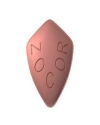
Simvastatin
Zocor is a statin medication that packs a powerful punch against high cholesterol. It works by blocking ...
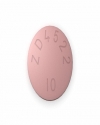
Rosuvastatin
Crestor is a powerful weapon in the fight against high cholesterol. This statin medication works diligently ...

Gemfibrozil
Lopid is a medication that helps regulate your body's lipid levels, specifically targeting those pesky ...

Fenofibrate
Tricor is a specialized medication designed to help regulate your body's cholesterol levels. It focuses ...

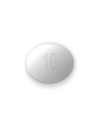



Fenofibrate


Bempedoic acid

Cholestyramine

Rosuvastatin/Ezetimibe
Ever heard of cholesterol? It's like the buzzword of health checkups. But what's the deal with it? Let's break it down, like we're chatting over a cup of coffee.
What is Cholesterol?
Think of cholesterol as a waxy, fat-like substance your body needs, kind of like how a car needs oil. It helps build cells and hormones, pretty important stuff! It travels through your bloodstream on little "boats" called lipoproteins.
The Good and the Bad
- HDL (High-Density Lipoprotein): This is the "good" cholesterol, like the superhero of your bloodstream. It helps remove excess cholesterol and keeps your arteries clear.
- HDL Cholesterol ("Good" Cholesterol): This acts as a scavenger, collecting excess cholesterol from your bloodstream and transporting it back to your liver for disposal. High levels of HDL cholesterol are protective against heart disease.
- Triglycerides: Another type of fat in the blood, high levels of triglycerides can also contribute to heart disease risk.
Cholesterol Disease Overview
High cholesterol levels (hypercholesterolemia) is a major risk factor for cardiovascular disease (CVD), the leading cause of death worldwide.
When too much cholesterol accumulates in your arteries, it forms plaque, restricting blood flow. This can lead to:
- Coronary Artery Disease: Plaque buildup in the arteries supplying the heart, causing angina (chest pain) and potentially heart attacks.
- Stroke: Plaque or blood clots block blood flow to the brain.
- Peripheral Artery Disease: Plaque buildup in arteries supplying the legs, causing pain and decreased blood flow.
Cases of High Cholesterol
- Diet: A diet high in saturated fats (found in red meat, full-fat dairy) and trans fats (found in some processed foods) can raise LDL cholesterol levels
- Genetics: Some individuals have a genetic predisposition to high cholesterol, such as familial hypercholesterolemia.
- Lifestyle: Lack of physical activity, obesity, smoking, and excessive alcohol consumption can worsen cholesterol levels.
- Other Medical Conditions: Certain conditions like diabetes, hypothyroidism, and kidney disease can also impact cholesterol levels.
- Medications: Some medications may affect cholesterol levels as a side effect.
Cholesterol Treatments
So, your doctor mentioned your cholesterol levels need some attention? Don't worry, you've got options! Think of this as a roadmap to better heart health.
Lifestyle Makeover: It's Powerful!
First things first, let's talk about making some healthy changes. They can make a big difference, trust me!
- Chow Down on Good Stuff: Fill your plate with colorful fruits and veggies, whole grains like oats and brown rice, and lean protein sources like fish and chicken. Cut back on those fatty meats, full-fat dairy, sugary treats, and fried foods. It's like giving your body a tune-up!
- Get Moving: Aim for at least 30 minutes of brisk walking, swimming, or biking most days of the week. Bonus points for adding in some strength training like lifting weights or using resistance bands. It's amazing how exercise can zap that bad cholesterol!
- Watch Your Waistline: If you're carrying a few extra pounds, shedding even a small amount can do wonders for your cholesterol levels.
- Kick the Habit: If you smoke, quitting is one of the best things you can do for your heart and your cholesterol.
- Easy on the Booze: While a little alcohol might be okay for some, too much can mess with your cholesterol, so moderation is key.
Medication: When Lifestyle Changes Need a Boost
Sometimes, lifestyle changes alone aren't enough, and that's okay. Your doctor might prescribe some medication to help out.
If you're trying to tackle high cholesterol and lifestyle changes aren't quite doing the trick, medication might be the next step. Don't worry, though, there are plenty of options out there.
The Heavy Hitters: Statins
You've probably heard of these guys. Statins are like the all-stars of cholesterol-lowering meds. They work by telling your liver, "Hey, ease up on the cholesterol production!" This lowers your "bad" LDL cholesterol and can even give your "good" HDL cholesterol a little boost. They're usually the first line of defense, and they're pretty darn effective!
Other Helpful Meds: Non-Statins
If statins aren't the best fit for you, or if you need more help, there are other medications in the lineup:
- Ezetimibe: This one stops your gut from absorbing as much cholesterol from food. Pretty clever, right?
- Bile Acid Resins: These guys grab onto cholesterol in your gut and help get rid of it.
- PCSK9 Inhibitors: These are newer injectables that really power up your liver's ability to remove bad cholesterol.
- Fibrates: These are great for lowering triglycerides, which are another type of fat in your blood.
- Niacin: This B vitamin can also help manage cholesterol, but it's important to talk to your doctor about the right dosage.
Medications: Pros and Cons
Okay, let's have a heart-to-heart about the pros and cons of cholesterol medications, kind of like weighing the options before making a big decision.
Statins: The MVPs with a Few Caveats
- Pros: These are the most common cholesterol-lowering meds for a reason! They're super effective at lowering "bad" LDL cholesterol, which is a major player in heart disease. They've been shown to reduce the risk of heart attacks and strokes, and they're generally safe for most people.
- Cons: Some folks experience side effects like muscle aches, headaches, or digestive issues. In rare cases, there can be more serious issues like liver problems. It's also important to note that you'll likely need to take statins long-term, and they might interact with other medications.
Ezetimibe: The Gut Blocker
- Pros: This medication works a bit differently by blocking cholesterol absorption in your gut. It's often combined with statins for a one-two punch against high cholesterol. It tends to have fewer side effects than statins.
- Cons: It's not as powerful as statins on its own, so it might not be enough for everyone. It can also cause some digestive upset in some people.
Bile Acid Resins: The Cholesterol Magnets
- Pros: These medications act like magnets, binding to cholesterol in your gut and helping your body get rid of it. They're an option for people who can't tolerate statins.
- Cons: They can cause some uncomfortable side effects like constipation, bloating, and gas. They can also interfere with the absorption of other medications.
PCSK9 Inhibitors: The New Kids on the Block
- Pros: These are newer injectables that supercharge your liver's ability to remove bad cholesterol. They're very effective for people who don't respond well to other treatments.
- Cons: They're pretty pricey, and they require regular injections. There's also limited long-term data on their safety and effectiveness.
Fibrates: The Triglyceride Tamers
- Pros: These meds are particularly good at lowering triglycerides, another type of fat in your blood that can increase heart disease risk.
- Cons: They can sometimes cause digestive issues or muscle problems. They might not be suitable for everyone, especially those with kidney or liver problems.
The Bottom Line
It's important to weigh the pros and cons of each medication with your doctor. They'll help you find the best option based on your individual needs and health history. Remember, even if you start medication, healthy lifestyle habits are still super important for keeping your cholesterol in check!
Safety
It's a good idea to be informed about potential risks so you can make the best decision for your health with your doctor.
Statins: The MVPs with Some Precautions
- Generally Safe: Statins are usually well-tolerated, and most people don't have any major problems. They've been around for a while, so there's a lot of research showing they're safe and effective for lowering cholesterol.
- Possible Side Effects: Some people might experience muscle aches, headaches, or digestive issues. These are usually mild and go away on their own.
- Rare but Serious Risks: In very rare cases, statins can cause liver problems or a serious muscle condition called rhabdomyolysis. But remember, these risks are very low compared to the benefits of preventing heart attacks and strokes.
- Regular Checkups: Your doctor will probably monitor your liver function and muscle health while you're taking statins, just to be safe.
Non-Statin Medications: Other Options, Other Considerations
- Ezetimibe: This one is generally considered safe with few side effects. But like any medication, it's important to talk to your doctor about potential interactions with other meds you're taking.
- Bile Acid Resins: These can cause some digestive woes like constipation and bloating.
- PCSK9 Inhibitors: Since they're newer, there's less long-term data on their safety. But so far, they seem to be pretty well-tolerated.
- Fibrates and Niacin: These can also have potential side effects, so it's important to discuss the risks and benefits with your doctor.
Side Effects
Alright, let's have a real talk about the potential side effects of cholesterol medications. It's like reading the fine print before signing a contract, right? It's always good to know what you're getting into.
Statins: Most Common but Usually Mild
- Common Culprits: Muscle aches, headaches, and feeling a bit tired or dizzy are the usual suspects when it comes to statin side effects. Most people experience mild symptoms, if any at all.
- Rare Reactions: In some rare cases, statins can cause liver problems or a serious muscle condition. These are super rare, but it's important to be aware of them and report any unusual symptoms to your doctor right away.
Other Meds: Different Sidekicks
- Ezetimibe: This one tends to be a gentler giant, with few side effects. Some folks might experience a little tummy upset, but that's usually about it.
- Bile Acid Resins: These can be a bit rough on your gut, causing things like constipation, gas, and bloating.
- PCSK9 Inhibitors: Since they're the new kids on the block, there's less info on long-term side effects. So far, they seem to be pretty well tolerated, but it's something to keep an eye on.
- Fibrates and Niacin: These can have a few side effects of their own, so it's important to chat with your doctor about what to expect.
Things to Watch Out For
- Muscle Pain: This is the most common complaint with statins. It can range from mild soreness to more intense pain. If you experience muscle pain that's unexplained or doesn't go away, definitely talk to your doctor.
- Liver Issues: While rare, statins can affect your liver. Your doctor will likely monitor your liver function with blood tests, especially when you first start the medication.
- Other Symptoms: Keep an eye out for anything unusual, like persistent headaches, dizziness, or digestive problems.
Overall, cholesterol medications are generally safe and effective when used as directed.
Precautions
It's like putting on your seatbelt before a road trip – it's about being prepared and staying safe.
Statins: Proceed with Caution
- Muscle Matters: Pay attention to any unexplained muscle pain or weakness, especially if you also have a fever or feel unusually tired. These could be signs of a rare but serious muscle condition.
- Liver Lookout: Statins can sometimes affect your liver, so your doctor will likely monitor your liver function through blood tests. If you notice any yellowing of your skin or eyes, dark urine, or upper abdominal pain, call your doctor right away.
- Grapefruit Warning: While a glass of grapefruit juice might sound refreshing, it can interact with some statins and increase the risk of side effects. So, it's best to avoid it or talk to your doctor about safer alternatives.
Other Medications: Specific Considerations
- Ezetimibe: This one generally has a good safety record, but like any medication, it can interact with other drugs. So, be sure to let your doctor know about all the medications and supplements you're taking.
- Bile Acid Resins: These can interfere with the absorption of other medications, so you might need to take them at different times. They can also cause constipation, so it's important to stay hydrated and eat plenty of fiber.
- PCSK9 Inhibitors: Since these are newer, there's less long-term data on their safety. But your doctor will monitor you closely for any potential issues.
- Fibrates and Niacin: These can also have specific precautions, so discuss them with your doctor before starting treatment.
General Precautions: A Few Wise Words
- Pregnancy and Breastfeeding: Most cholesterol medications aren't recommended during pregnancy or breastfeeding. If you're planning to become pregnant or are nursing, talk to your doctor about the best way to manage your cholesterol.
- Older Adults: Older adults might be more sensitive to the side effects of cholesterol medications, so your doctor might start with a lower dose and adjust it as needed.
- Alcohol: Drinking excessive amounts of alcohol can put extra stress on your liver, especially if you're taking statins. So, it's best to moderate your intake or avoid alcohol altogether.
- Don't Self-Medicate: Always talk to your doctor before starting any new medication, even over-the-counter supplements.
Drug Interactions
It's like mixing different ingredients in a recipe – sometimes they work well together, but sometimes they clash.
Statins: Watch Out for These Combos
- Certain Heart Meds: Some medications for high blood pressure or irregular heart rhythms can increase the risk of statin side effects, especially muscle problems.
- Antifungal and Antibiotic Meds: Some of these can interfere with how statins are processed in your body, potentially increasing the risk of side effects.
- Other Cholesterol Meds: Combining statins with certain other cholesterol-lowering medications can also increase the risk of side effects.
Non-Statin Medications: Interactions Vary
- Ezetimibe: This one generally plays well with others, but there's a small chance it can interact with some blood thinners.
- Bile Acid Resins: These can interfere with the absorption of other medications, including some heart medications, thyroid medications, and vitamins. It's usually recommended to take them at least a few hours apart from other meds.
- PCSK9 Inhibitors: These might interact with some blood thinners, increasing the risk of bleeding.
- Fibrates: These can interact with statins and blood thinners, so your doctor needs to monitor you closely if you're taking them together.
General Tips to Avoid Drug Interactions:
- Tell Your Doctor Everything: Be sure to inform your doctor about all the medications, vitamins, and supplements you're taking, including over-the-counter drugs and herbal remedies.
- Keep a List: It's a good idea to keep an updated list of all your medications and share it with all your healthcare providers.
- Ask Questions: Don't hesitate to ask your doctor or pharmacist about potential drug interactions. They're the experts and can guide you on how to take your medications safely.
- Regular Checkups: Let your doctor know if you experience any new or unusual symptoms after starting a new medication. They can help determine if it's a side effect or a drug interaction.
Contraindications
It's like knowing when it's not safe to swim in the ocean, right? Safety first!
Statins: Red Flags to Watch Out For
- Liver Problems: If you have active liver disease or significantly elevated liver enzymes, statins might not be the right choice for you. They can sometimes put extra stress on your liver.
- Pregnancy and Breastfeeding: Statins aren't recommended for women who are pregnant or breastfeeding because of potential risks to the developing baby.
- Certain Medications: Some medications, like certain antibiotics or antifungals, can interact with statins and cause problems.
- Allergies: If you've had an allergic reaction to a statin in the past, you shouldn't take it again.
Other Cholesterol Medications: Know the Limits
- Ezetimibe: This one is generally safe, but it might not be suitable for people with severe liver disease.
- Bile Acid Resins: These might not be the best choice for people with certain digestive problems like bowel obstruction or severe constipation.
- PCSK9 Inhibitors: There's limited data on their use in pregnant or breastfeeding women, so they're usually avoided in these situations.
- Fibrates: These might not be recommended for people with severe kidney or liver disease, or for those with a history of gallbladder problems.
- Niacin: This can worsen certain conditions like liver disease, gout, or stomach ulcers.
Why Choose RiteDrugstore?
-
Convenience: Order anytime, anywhere, and get your meds delivered right to your door.
-
Transparent Pricing: See your costs upfront and compare prices with and without insurance.
- Savings: returing customers get exclusive discounts, and free shipping offers for many generic medications.
- Expert Support: Pharmacists are available around the clock to answer your questions.
So, if you're looking for a hassle-free way to get your prescriptions, give RiteDrugstore Pharmacy a try! It's a game-changer for managing your medications.
FAQs
What are the primary differences between HDL and LDL cholesterol?
HDL (High-Density Lipoprotein) is often referred to as "good" cholesterol because it helps remove excess cholesterol from the bloodstream, while LDL (Low-Density Lipoprotein) is known as "bad" cholesterol because high levels can lead to plaque buildup in the arteries.
How often should I get my cholesterol levels checked?
For most adults, cholesterol levels should be checked every 4 to 6 years. However, those with high cholesterol or other risk factors may need more frequent testing.
What is the role of genetics in cholesterol levels?
Genetics can play a significant role in cholesterol levels. Conditions such as familial hypercholesterolemia can lead to high cholesterol levels regardless of lifestyle and diet.
How does high cholesterol contribute to cardiovascular disease beyond heart attacks and strokes?
High cholesterol can also lead to peripheral artery disease (PAD), which can cause pain and numbness in the legs, and contribute to atherosclerosis, which affects various organs and can lead to complications such as kidney disease.
Are there specific foods that can help lower cholesterol levels naturally?
Yes, foods high in soluble fiber (like oats, beans, and apples), fatty fish rich in omega-3s (like salmon and mackerel), and nuts can help lower cholesterol levels.
What should I do if I experience side effects from cholesterol medications?
Report any side effects to your doctor. They may adjust your dosage, switch you to a different medication, or suggest alternative treatments to manage your cholesterol.
Can cholesterol levels fluctuate throughout the day or with different diets?
Yes, cholesterol levels can vary based on diet, physical activity, and even the time of day. Consistent monitoring and adherence to a healthy lifestyle can help manage these fluctuations.
Are there any non-medical treatments for high cholesterol besides lifestyle changes?
Yes, certain supplements like plant sterols and stanols, and prescription therapies like bile acid sequestrants, can help manage cholesterol levels alongside lifestyle changes.
How do other health conditions, like diabetes or hypothyroidism, impact cholesterol levels?
Diabetes can increase LDL cholesterol and triglycerides while lowering HDL cholesterol. Hypothyroidism can lead to higher levels of LDL cholesterol. Managing these conditions can also help manage cholesterol levels.
What are the benefits and drawbacks of newer cholesterol medications like PCSK9 inhibitors compared to traditional statins?
PCSK9 inhibitors can significantly lower LDL cholesterol levels and may be used when statins are not sufficient. However, they are more expensive and require regular injections, whereas statins are generally oral medications with a longer track record of safety and effectiveness.


