


Cardiovascular


Perindopril
Aceon, a standout in the realm of prescription medications, is designed to support heart health. This ...

Nifedipine
Adalat is a trusted medication designed to effectively manage both angina (chest pain) and high blood ...

Spironolactone
Aldactone, a well-known medication in the potassium-sparing diuretic class, is primarily used for ...



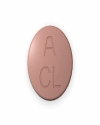


Clopidogrel bisulfate
Carvedilol
Coreg is a powerful medication designed to improve heart health and manage specific heart conditions. ...
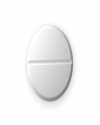

Eplerenone

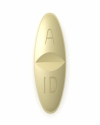
Isosorbide
Imdur is your trusted ally in the fight against chronic chest pain caused by angina. Imdur, containing ...
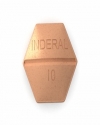
Propranolol
Inderal, a widely used medication in the beta-blocker class, is primarily prescribed for managing ...

Eplerenone
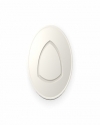

Isosorbide dinitrate
If the fear of chest pain (angina) is holding you back from enjoying life, Isordil offers a path toward ...

Isosorbide


Ambrisentan

Isosorbide mononitrate
Monoket (isosorbide mononitrate) is a highly effective medication used to prevent angina (chest pain) ...


Dabigatran

Ranolazine

Rivaroxaban



Ticlopidine
Ticlid isn't just a medication; it's a guardian, a silent protector working tirelessly within your ...
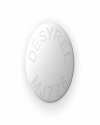
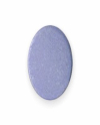


Verapamil HCl
Verapamil is a gentle yet powerful ally for your heart. This calcium channel blocker works tirelessly ...



Rivaroxaban

Hydrochlorothiazide
Lisinopril, a widely prescribed medication in the angiotensin-converting enzyme (ACE) inhibitor class, ...


Clopidogrel bisulfate
Plavix, or its generic equivalent clopidogrel, is a vital medication used ...
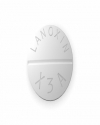
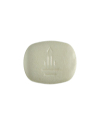
Telmisartan
Micardis, a cornerstone in blood pressure management, is a potent medication designed to regulate ...

Amiodarone
Cordarone is a powerful medication prescribed to treat severe and life-threatening heart rhythm disorders. ...
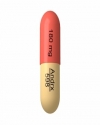
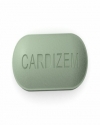
Diltiazem Hcl
Cartia XT is a cornerstone in managing both the relentless pressure of high blood pressure and the ...

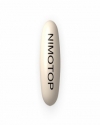
Nimodipine
Nimotop is a specialized medication used to protect brain tissue after a specific ...


Ticagrelor


Sacubitril/Valsartan
Cardiovascular diseases (CVD) are a major concern worldwide, affecting millions of people. But the good news is, modern medicine has a wide range of medications designed to help manage and treat these conditions effectively. This guide will walk you through the essentials of cardiovascular medications, including how they work, the different types available, and what you need to know to make informed decisions about treatment.
Understanding CVD Medications
Cardiovascular medications are drugs specifically designed to manage and treat conditions related to the heart and blood vessels. They play a crucial role in preventing heart attacks, strokes, and other serious conditions by controlling risk factors such as high blood pressure, high cholesterol, and irregular heartbeats.
Causes of CV Conditions
Cardiovascular diseases (CVD) encompass a range of conditions affecting the heart and blood vessels. Here are some key causes:
- Atherosclerosis: Buildup of fatty deposits (plaque) in the arteries, leading to reduced blood flow and potential blockages.
- Hypertension (High Blood Pressure): Consistently high blood pressure can damage arteries and lead to heart disease.
- Hyperlipidemia: Elevated levels of cholesterol and triglycerides in the blood contribute to plaque formation.
- Heart Valve Disorders: Malfunctions in heart valves can disrupt blood flow and lead to heart failure.
- Arrhythmias: Abnormal heart rhythms can result in inefficient blood pumping.
- Genetic Factors: Family history of heart disease can increase risk.
- Lifestyle Factors: Poor diet, lack of exercise, smoking, and excessive alcohol consumption contribute to cardiovascular problems.
- Diabetes: High blood sugar levels can damage blood vessels and nerves, increasing cardiovascular risk.
Treatments for CV Conditions
Effective treatment of cardiovascular conditions typically involves a combination of lifestyle changes, medications, and sometimes procedures. Here’s a look at common treatment strategies:
- Lifestyle Modifications: Improving diet, increasing physical activity, quitting smoking, and managing stress.
- Medications: Prescribed based on the specific condition and patient needs (details below).
- Procedures and Surgeries: In cases where medications and lifestyle changes aren’t sufficient, options include angioplasty, stenting, and heart surgery.
- Monitoring and Follow-Up: Regular check-ups to monitor heart health and adjust treatments as needed.
Why CVD Medications Matter
Imagine your cardiovascular system as a busy network of roads. If there’s a blockage or if the traffic isn’t flowing smoothly, problems arise. Cardiovascular medications act like traffic lights and road maintenance crews, ensuring everything runs smoothly and preventing major accidents.
Key Objectives
-
Lower Blood Pressure: Medications help keep your blood pressure in check to prevent strain on the heart and blood vessels.
-
Reduce Cholesterol Levels: By managing cholesterol, these drugs help prevent the buildup of plaque in the arteries.
-
Prevent Blood Clots: Certain medications reduce the likelihood of clots forming and causing heart attacks or strokes.
- Manage Heart Rhythm: For those with irregular heartbeats, specific medications help keep the heart’s rhythm steady.
Types of CVD Medications
There are several classes of cardiovascular medications, each serving a unique purpose. Let’s break them down:
1. Antihypertensives
These drugs are used to manage high blood pressure (hypertension), which is a major risk factor for heart disease and stroke. Here are the main types:
- Diuretics: Often called "water pills," they help the body get rid of excess sodium and water, reducing blood volume and pressure. Common examples include hydrochlorothiazide and furosemide.
- ACE Inhibitors: These drugs relax blood vessels by blocking the formation of a hormone called angiotensin II, which narrows blood vessels. Examples include lisinopril and enalapril.
- ARBs (Angiotensin II Receptor Blockers): Similar to ACE inhibitors, ARBs block the action of angiotensin II. Common ARBs include losartan and valsartan.
- Beta-Blockers: These medications reduce the heart rate and the force of the heart’s contractions, which lowers blood pressure. Examples include metoprolol and atenolol.
- Calcium Channel Blockers: They prevent calcium from entering heart and blood vessel cells, which relaxes blood vessels and reduces heart rate. Common examples are amlodipine and diltiazem.
2. Statins
Statins are used to lower cholesterol levels in the blood. High levels of LDL cholesterol (often called "bad" cholesterol) can lead to plaque buildup in the arteries, increasing the risk of heart attack and stroke. Some popular statins are atorvastatin, simvastatin, and rosuvastatin.
3. Antiplatelet Agents
These medications help prevent blood clots by stopping blood cells called platelets from sticking together. They are often prescribed after heart attacks or strokes. Aspirin is a common antiplatelet drug, but there are others like clopidogrel and dipyridamole.
4. Anticoagulants
Also known as blood thinners, anticoagulants prevent blood clots from forming. They are used in conditions like atrial fibrillation or deep vein thrombosis. Examples include warfarin, rivaroxaban, and apixaban.
5. Antiarrhythmics
These drugs help manage irregular heartbeats (arrhythmias). They work by modifying the electrical signals in the heart. Examples include amiodarone and sotalol.
6. Nitrates
Nitrates help relieve chest pain (angina) by dilating blood vessels, making it easier for blood to flow to the heart. Nitroglycerin and isosorbide mononitrate are common nitrates.
7. Heart Failure Medications
For individuals with heart failure, medications can help manage symptoms and improve quality of life. These include:
- Inotropes: Strengthen the force of the heart’s contractions, such as digoxin.
- ARNIs (Angiotensin Receptor-Neprilysin Inhibitors): Help relax blood vessels and reduce fluid buildup. An example is sacubitril/valsartan.
Pros and Cons
Understanding the benefits and drawbacks of these medications is crucial:
Pros
- Effective Management: Can significantly reduce symptoms and improve quality of life.
- Prevention: Help prevent serious events like heart attacks and strokes.
- Versatility: Different classes address various aspects of cardiovascular health.
Cons
- Side Effects: All medications come with potential side effects, which can vary in severity.
- Interactions: Some medications can interact with other drugs or foods.
- Adherence: Requires consistent use and regular monitoring.
How to Take?
Taking your medications as prescribed is crucial for managing cardiovascular conditions effectively. Here are some tips to help you stay on track:
- Follow Instructions: Always take your medication exactly as your doctor has prescribed. Don’t skip doses or stop taking them without consulting your healthcare provider.
- Monitor Your Health: Keep track of your blood pressure, cholesterol levels, and any side effects you may experience. Regular check-ups are important.
- Be Aware of Interactions: Some medications can interact with each other or with foods. For example, grapefruit can affect how certain statins work. Always inform your doctor about all the medications and supplements you’re taking.
Clinical Studies
Clinical studies play a vital role in understanding the effectiveness and safety of cardiovascular medications. Here are some key areas of focus:
- Efficacy Trials: Assess how well a medication works in reducing cardiovascular events or symptoms.
- Safety Trials: Evaluate the potential risks and side effects associated with long-term use.
- Comparative Studies: Compare the effectiveness of different medications or treatment strategies.
Recent studies have shown that:
- Statins are effective in lowering LDL cholesterol and reducing cardiovascular events.
- ACE Inhibitors and ARBs are beneficial in managing hypertension and heart failure.
- Newer anticoagulants offer convenience with fewer dietary restrictions compared to older drugs like warfarin.
Side Effects
Like all medications, cardiovascular drugs can have side effects. Here’s a quick look at potential side effects and how to handle them:
- Diuretics: May cause dehydration or low potassium levels. Keep hydrated and follow your doctor’s advice about potassium-rich foods or supplements.
- ACE Inhibitors: Can lead to a dry cough or elevated potassium levels. Report any persistent cough or unusual symptoms to your healthcare provider.
- Statins: Potential side effects include muscle pain or liver enzyme changes. Regular blood tests can monitor liver function and muscle health.
- Antiplatelets and Anticoagulants: Increase bleeding risk. Watch for unusual bruising or bleeding and notify your doctor if you experience these symptoms.
- Nitrates: Headaches, dizziness, flushing.
- Antiarrhythmics: Dizziness, fatigue, gastrointestinal symptoms.
Precautions
Taking precautions helps minimize risks and maximize the effectiveness of cardiovascular medications:
- Adherence: Take medications exactly as prescribed to ensure effectiveness.
- Avoid Self-Medication: Consult your healthcare provider before taking over-the-counter drugs or supplements.
- Report Symptoms: Notify your doctor of any unusual symptoms or side effects.
- Regular Check-ups: Attend all scheduled appointments to monitor progress and adjust treatment.
Drug Interactions
Cardiovascular medications can interact with other drugs, affecting their efficacy or increasing side effects:
- Statins and Grapefruit Juice: Grapefruit can increase statin levels, leading to a higher risk of side effects.
- Anticoagulants and NSAIDs: Non-steroidal anti-inflammatory drugs (like ibuprofen) can increase bleeding risk when used with anticoagulants.
- ACE Inhibitors and Potassium Supplements: Potassium-sparing supplements can elevate potassium levels when taken with ACE inhibitors.
Contraindications
Certain conditions or factors may make some cardiovascular medications unsuitable:
- Severe Kidney Disease: Some medications, like certain diuretics, may be contraindicated in severe kidney impairment.
- Pregnancy: Some cardiovascular drugs, such as ACE inhibitors, are not recommended during pregnancy.
- Active Bleeding: Anticoagulants are contraindicated in patients with active bleeding conditions.
Lifestyle Changes
Medications alone are often not enough to manage cardiovascular health effectively. Adopting a heart-healthy lifestyle is essential. Here’s how you can support your medication regimen with healthy habits:
- Eat a Balanced Diet: Focus on fruits, vegetables, whole grains, lean proteins, and healthy fats. Reduce your intake of saturated fats, trans fats, and sodium.
- Exercise Regularly: Aim for at least 150 minutes of moderate aerobic activity or 75 minutes of vigorous activity each week. Activities like walking, swimming, and cycling are great choices.
- Maintain a Healthy Weight: Achieving and maintaining a healthy weight can improve heart health and reduce the risk of complications.
- Limit Alcohol and Avoid Smoking: Excessive alcohol consumption and smoking can negatively impact cardiovascular health. If you smoke, seek support to quit.
- Manage Stress: Stress can affect your heart health. Practice stress-reducing techniques such as meditation, deep breathing, or yoga.
What’s Next?
If you or a loved one is dealing with cardiovascular issues, working closely with your healthcare provider is key. They will tailor your treatment plan to your specific needs and monitor your progress to ensure the best outcomes.
What to Ask Your Doctor
- What are the benefits and risks of this medication?
- Are there any lifestyle changes I should make to complement this treatment?
- How often should I have follow-up appointments or tests?
Ordering CVD Medications Online
Are you looking for a reliable and convenient way to manage your cardiovascular health? At RiteDrugstore Mail Order Pharmacy, we offer a seamless online experience for purchasing cardiovascular medications. Whether you need medications for hypertension, high cholesterol, heart failure, or other cardiovascular conditions, we’ve got you covered with top-quality products and exceptional service.
Customer Satisfaction is Our Commitment
We’re dedicated to providing a smooth and satisfactory experience. Our customer service team is available to assist with:
- Order Inquiries: Track your order status or make changes to your order.
- Medication Information: Get details about your medications, including dosage and potential side effects.
- General Support: Answer any questions or concerns you may have.
Benefits of Buying Cardiovascular Medications Online
-
Time-Saving: No need to spend time traveling to the pharmacy.
-
Accessibility: Easy access to a wide range of medications, including hard-to-find items.
- Consistent Supply: Avoid running out of essential medications with timely deliveries.
Get Started Today
Managing your cardiovascular health has never been easier. Explore our selection of cardiovascular medications and experience the convenience of ordering online through RiteDrugstore Mail Order Pharmacy.
FAQs
What is the difference between brand-name and generic cardiovascular medications?
Brand-name and generic cardiovascular medications often have the same active ingredients, dosage forms, and effects. However, there are some differences:
- Brand-Name Medications are developed and marketed by pharmaceutical companies. They are usually more expensive due to the costs associated with development, marketing, and patent protections.
- Generic Medications are copies of brand-name drugs that become available after the original patent expires. They are generally less expensive but must meet the same quality and efficacy standards set by regulatory agencies. Generics can differ in color, shape, and inactive ingredients, but they should work the same way as their brand-name counterparts.
How can I safely manage multiple cardiovascular medications?
Managing multiple cardiovascular medications requires careful planning:
- Create a Medication List: Keep an updated list of all your medications, including dosages and times.
- Use a Pill Organizer: Organizers can help keep track of daily doses and prevent missed medications.
- Consult Your Healthcare Provider: Discuss all your medications with your provider to understand potential interactions and ensure they are working together effectively.
- Set Reminders: Use alarms or apps to remind you when to take each medication.
- Regular Check-Ups: Schedule regular visits with your healthcare provider to monitor your treatment and adjust as necessary.
What should I do if I miss a dose of my cardiovascular medication?
If you miss a dose of your cardiovascular medication:
- Take It as Soon as You Remember: If it’s close to the time for your next dose, skip the missed dose—do not double up.
- Follow Instructions: Check the medication’s label or patient information for specific instructions on missed doses.
- Contact Your Healthcare Provider: If you’re unsure or if missing a dose becomes a frequent issue, consult your provider for guidance.
- Record the Missed Dose: Keep track of missed doses to inform your healthcare provider about any potential issues with adherence.
Can cardiovascular medications interact with over-the-counter supplements or vitamins?
Yes, cardiovascular medications can interact with over-the-counter supplements or vitamins. Some key interactions include:
- St. John's Wort: Can reduce the effectiveness of certain medications like statins and anticoagulants.
- Vitamin K: Found in many supplements, it can affect anticoagulants like warfarin.
- Omega-3 Fatty Acids: While generally beneficial, they can increase bleeding risk when taken with blood thinners.
- Grapefruit Juice: Can interfere with the metabolism of some statins, increasing the risk of side effects. Always consult your healthcare provider before starting any new supplements or vitamins to avoid potential interactions.
Are there any alternative treatments to consider if I cannot tolerate certain cardiovascular medications?
If you cannot tolerate certain cardiovascular medications, consider the following alternatives:
- Medication Adjustments: Your provider may prescribe a different drug within the same class or a different class with a similar effect.
- Lifestyle Changes: Diet, exercise, and stress management can complement or sometimes reduce the need for medication.
- Non-Pharmacological Therapies: Options such as device therapies for arrhythmias or heart failure might be considered.
- Natural Remedies: Some patients explore herbal or nutritional supplements, but these should only be used under medical supervision.
How do I know if my cardiovascular medication is working effectively?
To determine if your cardiovascular medication is working:
- Monitor Symptoms: Track improvements in symptoms such as chest pain, shortness of breath, or irregular heartbeats.
- Regular Testing: Blood tests, blood pressure monitoring, and cholesterol levels help assess effectiveness.
- Follow-Up Visits: Regular check-ups with your healthcare provider are essential to evaluate the medication’s impact and adjust treatment if needed.
- Feedback: Report any side effects or changes in your condition to your provider to ensure the medication is effective.
What lifestyle changes can enhance the effectiveness of my cardiovascular medication?
Enhance the effectiveness of your cardiovascular medication with these lifestyle changes:
- Healthy Diet: Focus on a diet low in saturated fats, cholesterol, and sodium, and rich in fruits, vegetables, and whole grains.
- Regular Exercise: Engage in at least 150 minutes of moderate aerobic activity per week.
- Weight Management: Achieve and maintain a healthy weight to reduce strain on your cardiovascular system.
- Avoid Smoking and Limit Alcohol: Smoking and excessive alcohol can worsen cardiovascular conditions.
- Stress Management: Practice relaxation techniques such as yoga, meditation, or deep breathing exercises.
What should I know about cardiovascular medications during pregnancy or breastfeeding?
Cardiovascular medications during pregnancy and breastfeeding:
- Pregnancy: Some cardiovascular drugs, like ACE inhibitors, can be harmful to the developing fetus. Consult your healthcare provider to find safe alternatives.
- Breastfeeding: Many medications pass into breast milk, so it’s crucial to discuss the safety of specific drugs with your provider. They will help you weigh the benefits and risks for both you and your baby.
How often should I have my cardiovascular medication levels checked?
The frequency of checking cardiovascular medication levels depends on the medication and individual health needs:
- Regular Monitoring: For medications like anticoagulants and certain heart failure drugs, regular blood tests are necessary to monitor levels and effectiveness.
- Scheduled Check-Ups: Follow your healthcare provider’s recommendations for routine check-ups and lab tests to ensure optimal dosing and effectiveness.
- Adjustments: More frequent monitoring may be required if there are changes in your condition or if you experience side effects.
What steps should I take if I experience severe side effects from my cardiovascular medication?
If you experience severe side effects:
- Contact Your Healthcare Provider Immediately: Inform them of the symptoms and seek guidance on whether to continue the medication or switch to an alternative.
- Seek Emergency Help: For severe reactions such as difficulty breathing, chest pain, or severe bleeding, seek emergency medical attention.
- Document Symptoms: Keep a record of the side effects to provide detailed information to your healthcare provider.
- Review Medications: Work with your provider to review all your medications and potential interactions to identify the cause of the side effects.


