


Hair Loss
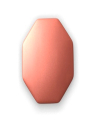



Finasteride
Defy hair loss and unleash your full potential with Propecia. This clinically proven solution stops ...

Finasteride
Finpecia is your secret weapon in the battle against hair loss. This medication ...

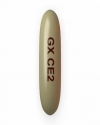
Dutasteride
Tired of frequent nighttime trips to the bathroom or a weak urinary stream? Proscar might be the solution ...

Finasteride
Fincar is like a gentle gardener for your prostate. It helps to gradually reduce the size of an enlarged ...

Finasteride
Proscar is like a gentle gardener for your prostate. It works by gradually shrinking the size of an ...
Hair loss, or alopecia, can be a distressing experience, affecting both men and women across all ages and backgrounds. Thankfully, advancements in medical research have led to the development of numerous medications that can help treat various forms of hair loss and, in some cases, even reverse the process. We will explore the world of hair loss medications, discussing the most common types, their mechanisms of action, potential side effects, and tips for choosing the right treatment for your unique needs.
Understanding Hair Loss
Before we delve into the specifics of hair loss medications, it's important to have a basic understanding of hair loss itself. Hair loss can be caused by a variety of factors, including genetics, hormonal imbalances, nutritional deficiencies, certain medical conditions, and even stress.
The most common type of hair loss is androgenetic alopecia, also known as male or female pattern baldness. This type of hair loss is caused by a sensitivity to dihydrotestosterone (DHT), a hormone derived from testosterone. DHT can shrink hair follicles, causing hair to become thinner and eventually stop growing altogether. Other common forms of hair loss include alopecia areata (an autoimmune condition), telogen effluvium (a temporary condition triggered by stress or illness), and traction alopecia (caused by tight hairstyles).
Hair Loss Medications
Now that we have a foundation in hair loss, let's explore the primary medications used in its treatment:
- Minoxidil (Rogaine): available over-the-counter (OTC) under the brand name Rogaine, is a topical solution or foam applied directly to the scalp. It is believed to work by widening blood vessels and increasing blood flow to the hair follicles, thereby stimulating hair growth. Minoxidil is typically used for treating androgenetic alopecia and can be effective for both men and women.
- Finasteride (Propecia): available by prescription under the brand name Propecia, is an oral medication for men. It works by blocking the conversion of testosterone to DHT, the hormone responsible for androgenetic alopecia. By reducing DHT levels, finasteride helps to slow or stop hair loss and, in some cases, even promote regrowth.
- Spironolactone: an oral medication that is primarily used as a diuretic (to treat high blood pressure) but has also been found to be effective in treating hair loss in women with androgenetic alopecia. It works by blocking the effects of androgens (male hormones) on hair follicles.
- Dutasteride (Avodart): available by prescription under the brand name Avodart, is another oral medication that works similarly to finasteride by blocking the conversion of testosterone to DHT. However, it is more potent than finasteride and can be more effective in some cases.
- Platelet-Rich Plasma (PRP) Therapy: a relatively new treatment that involves injecting concentrated platelets derived from your own blood into the scalp. Platelets contain growth factors that can stimulate hair growth. PRP therapy is often used in conjunction with other hair loss treatments and can be effective for various types of alopecia.
- Other Medications: may be used in the treatment of hair loss include ketoconazole shampoo (an antifungal shampoo that can reduce DHT levels), corticosteroids (to treat alopecia areata), and hormone replacement therapy (for women with hair loss caused by hormonal imbalances).
Choosing A Personalized Approach
Selecting the most appropriate hair loss medication requires careful consideration of various factors, including the type and severity of hair loss, your age and gender, overall health, and any underlying medical conditions. It is essential to consult with a healthcare professional or dermatologist who can assess your specific situation and guide you towards the best treatment option.
Important Precautions
While hair loss medications can be effective in treating alopecia, it's important to be aware of potential side effects and take necessary precautions:
- Minoxidil: Side effects may include scalp irritation, dryness, and unwanted hair growth in other areas.
- Finasteride: Side effects may include decreased libido, erectile dysfunction, and breast tenderness.
- Spironolactone: Side effects may include menstrual irregularities, breast tenderness, and electrolyte imbalances.
- Dutasteride: Side effects may include decreased libido, erectile dysfunction, and breast tenderness.
- PRP therapy: Side effects are typically minimal and may include mild discomfort at the injection site.
It's crucial to discuss any potential side effects and precautions with your healthcare professional before starting any new hair loss medication.
Lifestyle Factors and Hair Health
While medications can play a significant role in treating hair loss, it's equally important to focus on lifestyle factors that can contribute to hair health:
- Nutrition: A balanced diet rich in essential vitamins and minerals is crucial for healthy hair growth. Make sure to include foods high in iron, zinc, biotin, and protein in your diet.
- Stress management: Stress can contribute to hair loss, so it's important to find healthy ways to manage stress, such as exercise, yoga, meditation, or spending time in nature.
- Hair care: Avoid harsh chemicals and excessive heat styling, which can damage hair and lead to breakage. Opt for gentle shampoos and conditioners and air-dry your hair whenever possible.
Holistic Approach to Hair Loss
Treating hair loss often involves a combination of medication, lifestyle changes, and self-care. It's essential to be patient and consistent with your treatment plan and to remember that it may take several months to see noticeable results.
Additionally, it's important to embrace a holistic approach to hair loss that focuses on both physical and emotional well-being. Hair loss can significantly impact self-esteem and confidence, so don't hesitate to seek support from friends, family, or a therapist if needed.
The Future of Hair Loss Treatments
The field of hair loss treatment is constantly evolving, with ongoing research and development leading to new and innovative solutions. Some promising areas of research include:
- Stem cell therapy: Stem cell therapy has the potential to regenerate hair follicles and stimulate new hair growth.
- Gene therapy: Gene therapy may be used to correct genetic defects that contribute to hair loss.
- New medications: Researchers are continually working to develop new and improved medications with fewer side effects and greater efficacy.
Hair loss can be a challenging experience, but with the right approach and treatment plan, it's possible to manage and even reverse the process. By understanding the various hair loss medications available, considering your unique needs, and embracing a holistic approach to hair health, you can take control of your hair loss and regain your confidence.
Dosage
Understanding the correct dosage of hair loss medications is crucial for ensuring their effectiveness and safety. Dosage recommendations vary depending on the specific medication, the type and severity of hair loss, and individual factors such as age, gender, and health conditions. It's essential to follow the prescribed dosage provided by your healthcare professional and to consult them before making any changes to your treatment plan.
Minoxidil
Minoxidil is available in different strengths and formulations, with the most common being 2% and 5% solutions or foams. The typical dosage for both men and women is as follows:
- Apply 1 milliliter (mL) of the solution or half a capful of the foam to the affected scalp area twice a day.
- It's important to apply Minoxidil directly to the scalp and not the hair.
- Wash your hands thoroughly after application.
- Allow the medication to dry completely before styling your hair or going to bed.
Finasteride
Finasteride is available in 1 milligram (mg) tablets and is typically taken once a day, with or without food. It's essential to take Finasteride consistently for optimal results.
Dutasteride
Dutasteride is available in 0.5 mg capsules and is usually taken once a day, with or without food. Like Finasteride, consistent use is crucial for its effectiveness.
Spironolactone
The dosage of Spironolactone for hair loss can vary depending on the individual and the severity of the condition. It's typically prescribed in doses ranging from 25 mg to 200 mg per day, often divided into two doses. Your doctor will determine the most appropriate dosage for you based on your specific needs and monitor your response to treatment.
Platelet-Rich Plasma (PRP) Therapy
The frequency and number of PRP injections required can vary depending on the individual and the extent of hair loss. Typically, a series of three to four treatments spaced four to six weeks apart is recommended initially, followed by maintenance treatments every few months. Your healthcare professional will develop a personalized treatment plan tailored to your needs.
Other Medications
The dosage of other medications used for hair loss, such as ketoconazole shampoo, corticosteroids, and hormone replacement therapy, will vary depending on the specific medication and the individual's needs. It's essential to follow the instructions provided by your healthcare professional and to inform them of any other medications or supplements you're taking to avoid potential interactions.
Side Effects
While hair loss medications offer promising solutions for those experiencing alopecia, it's essential to be aware of the potential side effects associated with each treatment. Understanding these side effects helps individuals make informed decisions about their treatment plan, minimizing any unexpected or adverse reactions.
Minoxidil
As a topical medication, Minoxidil primarily affects the scalp area where it's applied. Common side effects may include:
- Scalp irritation: This can manifest as itching, redness, dryness, or flaking. It's generally mild and tends to improve with continued use.
- Unwanted hair growth: In some cases, Minoxidil can stimulate hair growth in other areas of the body, such as the face or hands. This is usually temporary and resolves once the medication is discontinued.
- Increased hair shedding: Initially, Minoxidil might cause an increase in hair shedding as the old, weak hairs are pushed out to make way for new growth. This shedding typically subsides within a few weeks.
- Allergic reactions: While rare, some individuals might experience allergic reactions to Minoxidil, including hives, swelling, or difficulty breathing. Seek medical attention immediately if any of these symptoms occur.
Finasteride & Dutasteride
Finasteride and Dutasteride, being oral medications, have systemic effects and might cause side effects that extend beyond the scalp:
- Sexual dysfunction: These medications can impact sexual function, leading to decreased libido, erectile dysfunction, or ejaculation problems. These side effects are usually temporary and reversible upon discontinuation.
- Breast tenderness or enlargement: In rare cases, men might experience breast tenderness or enlargement. Consult a doctor if this occurs.
- Mood changes: Although uncommon, some individuals report mood swings, depression, or anxiety while taking these medications.
- Birth defects: Finasteride and Dutasteride can harm a developing fetus. Women who are pregnant or planning to become pregnant should not handle these medications, and men taking these medications should avoid exposing their partners to their semen.
Spironolactone
As an anti-androgen medication, Spironolactone can impact hormonal balance and might cause the following side effects:
- Menstrual irregularities: Women might experience changes in their menstrual cycle, such as irregular bleeding or spotting.
- Breast tenderness: Some women report breast tenderness or enlargement while taking Spironolactone.
- Electrolyte imbalances: In rare cases, Spironolactone can disrupt electrolyte levels, leading to fatigue, muscle weakness, or irregular heartbeat. Regular blood tests might be necessary to monitor these levels.
- Dizziness or lightheadedness: These symptoms might occur, especially at the beginning of treatment.
Platelet-Rich Plasma (PRP) Therapy
PRP therapy is generally considered safe, with minimal side effects. However, potential risks include:
- Infection: Although rare, there is a small risk of infection at the injection site. Proper hygiene and sterile techniques are crucial to minimize this risk.
- Pain or discomfort: Some individuals might experience mild pain or discomfort during or after the injections. This usually subsides quickly.
- Bleeding or bruising: Minor bleeding or bruising might occur at the injection site.
Pregnancy and Breastfeeding
Hair loss can be a common concern during and after pregnancy, often attributed to hormonal fluctuations and other physiological changes. However, using medications for hair loss during this period requires extra caution to ensure the safety of both the mother and the baby.
Medications to Avoid
Certain hair loss medications are strictly contraindicated during pregnancy and breastfeeding due to their potential harm to the developing fetus or infant. These include:
- Finasteride and Dutasteride: These oral medications can cause serious birth defects in male fetuses and should be avoided entirely during pregnancy and breastfeeding. Women who are pregnant or planning to become pregnant should not handle these medications.
- Spironolactone: This medication is also not recommended during pregnancy due to the potential risk of hormonal imbalances and adverse effects on the fetus.
Medications with Limited Safety Data
Some hair loss medications have limited safety data during pregnancy and breastfeeding, making their use during these periods generally discouraged:
- Minoxidil: While considered relatively safe when applied topically, there is limited data on its use during pregnancy and breastfeeding. It's advisable to consult with a healthcare professional before using Minoxidil during this time.
- Platelet-Rich Plasma (PRP) Therapy: Safety data on PRP therapy during pregnancy and breastfeeding is limited, and its use is generally not recommended.
Alternatives and Precautions
If experiencing hair loss during or after pregnancy, it's essential to consult with a healthcare professional to discuss safe and effective treatment options. Some alternative approaches may include:
- Nutritional Support: Ensuring a balanced diet rich in essential vitamins and minerals, such as iron, zinc, and biotin, can help support hair health. Prenatal vitamins can be helpful in meeting these nutritional needs.
- Gentle Hair Care: Avoiding harsh chemicals, heat styling, and tight hairstyles can minimize hair damage and promote overall scalp health.
- Patience and Observation: Postpartum hair loss is often temporary and resolves on its own within a few months. Patience and observation may be the most suitable approach in many cases.
Cost of Hair Loss Medications
Hair loss medications usually cost between $30 to $800 per month, depending on the type and brand. Generic versions can be cheaper than brand names.
The cost of hair loss medications can vary significantly depending on several factors, including the type of medication, its brand name versus generic equivalent, dosage, duration of treatment, and location. Additionally, the availability of health insurance coverage can significantly impact the out-of-pocket expenses for these treatments. It's essential to be aware of these potential costs and explore various options to find the most affordable solutions that align with your budget and healthcare needs.
When prescribed a medication for hair loss, inquire about generic options. Generic medications offer the same active ingredients and efficacy as brand-name drugs but at a significantly lower cost. Discuss this option with your healthcare professional to ensure it's suitable for your specific needs.
If you're using over-the-counter medications like Minoxidil, consider purchasing larger quantities or multi-packs, as they often offer cost savings per unit compared to smaller sizes. However, ensure the product has a sufficiently long shelf life before expiration to avoid waste.
FAQs
How long does it take to see results from hair loss medications?
Results can take 3 to 6 months to become noticeable. Hair growth varies by individual and medication type.
Are there side effects associated with hair loss medications?
Yes, possible side effects include scalp irritation, unwanted facial hair, or sexual side effects. Consult your healthcare provider for more information.
Can I use hair loss medications if I have other health conditions?
Consult your healthcare provider. Some medications can interact with other health conditions or medications you’re taking.
Do hair loss medications work for everyone?
Not everyone responds to hair loss medications. Effectiveness varies based on the individual’s condition and the type of medication used.
Can I stop using hair loss medications once I see results?
It’s generally recommended to continue using the medication to maintain results. Stopping may lead to hair loss resuming.
Are there natural alternatives to hair loss medications?
Some people use natural treatments like biotin supplements, saw palmetto, or essential oils, but their effectiveness is less studied compared to FDA-approved medications.
What should I do if I miss a dose of my hair loss medication?
Take the missed dose as soon as you remember. If it’s almost time for the next dose, skip the missed dose. Do not double up.
How can I ensure I’m using hair loss medications correctly?
Follow the instructions on the medication label and consult with your healthcare provider or pharmacist if you have any questions.
Are there any interactions between hair loss medications and other drugs?
Some hair loss medications can interact with other drugs. Inform your healthcare provider of all medications you’re taking to avoid potential interactions.
How should I store hair loss medications?
Store medications as directed, typically in a cool, dry place away from direct sunlight and moisture.


