


Mental illness


Aripiprazole
Abilify, a versatile medication with a gentle touch, offers a path to balance and clarity for individuals ...


Aripiprazole

Hydroxyzine
Atarax is a highly effective antihistamine that offers fast relief from anxiety, itching, and allergy ...


Carbamazepine

Citalopram
Feeling trapped in the shadows of depression? Celexa might just be the ray of light you've been searching ...
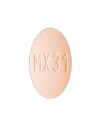
Citalopram hydrobromide


Duloxetine
Cymbalta, a versatile medication with a gentle touch, offers relief for both emotional and physical ...
Valproic Acid


Venlafaxine
Effexor, a powerful ally in the fight against mental health challenges, offers a lifeline to those ...

Venlafaxine
Effexor XR, a steadfast companion on the journey to emotional well-being, offers a steady stream of ...

Amitriptyline
Elavil, a trusted companion in the journey towards emotional well-being, offers a guiding light for ...

Amitriptyline
Endep, a beacon of hope for those navigating the complexities of depression, offers a gentle light ...


Lithium carbonate
Eskalith, a cornerstone in the treatment of bipolar disorder, serves as a steady anchor for those ...





Ziprasidone
Geodon, a steadfast ally in the realm of mental health, shines as a beacon of hope for those navigating ...



Imipramine

Lamotrigine
Living with bipolar disorder or epilepsy can feel like navigating a stormy sea. Lamictal acts as your ...

Escitalopram
Feeling overwhelmed by life's challenges? Lexapro might just be the gentle helping hand you need. ...


Fluvoxamine
Luvox, a trusted ally in the world of mental health, shines as a beacon of hope for those grappling ...
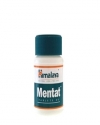


Gabapentin
Imagine a life where the sharp stabs of nerve pain, the relentless burning sensations, and the unsettling ...


Mirtazapine
Remeron, a beacon of hope in the fight against depression, offers a unique approach to restoring emotional ...
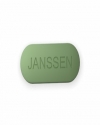
Risperidone
Risperdal, a cornerstone in the treatment of mental health conditions, offers a path to clarity and ...

Cycloserine

Quetiapine
Seroquel, a beacon of hope in the realm of mental health, offers a path to tranquility for those navigating ...



Carbidopa/Entacapone/Entacapone
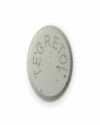
Carbamazepine



Imipramine
Tofranil, a pioneering medication in the realm of mental health, stands as a beacon of hope for those ...

Topiramate
Topamax is more than just a medication; it's a key to unlocking a life with fewer limitations. Whether ...


Trazodone hydrochloride

Oxcarbazepine
Living with seizures can be overwhelming, but Trileptal offers reliable control that helps you regain ...

Valproic Acid
Valparin stands as a steadfast ally, offering you a path towards stability and control. Whether you're ...


Venlafaxine
Venlor, a trusted ally in the realm of antidepressants, stands as a beacon of hope for those navigating ...

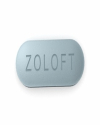
Sertraline

Olanzapine
Zyprexa, a steadfast ally in the realm of mental health, offers a path to clarity and calm for those ...

Atomoxetine
Strattera, a non-stimulant medication classified as a selective norepinephrine reuptake inhibitor ...

Clomipramine HCI
Anafranil is a powerful tool in managing obsessive-compulsive disorder (OCD). Imagine the relentless ...

Chlorpromazine
Thorazine is a pioneering medication that has been used for decades to manage symptoms of mental health ...



Prochlorperazine
Compazine is like a steady hand during turbulent times. It helps quell the storm of nausea and vomiting, ...

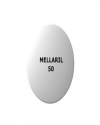
Thioridazine
Mellaril is a medication often prescribed to help manage symptoms of mental health conditions like ...



Haloperidol
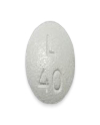
Lurasidone


Milnacipran

Thioridazine
Mental health is an ongoing journey, one that requires understanding, compassion, and the right tools. At RiteDrugstore Mail Order Pharmacy, we are more than just a pharmacy; we are your partners in this pursuit of wellness. Order your medications today and step onto the path to a healthier, happier you.
We understand that navigating the world of mental health medications can sometimes feel overwhelming. That's why our team of expert pharmacists is always available to answer your questions, provide guidance, and support you throughout your treatment journey.
We're here to help you understand your medication, manage potential side effects, and ensure you're on the path to optimal well-being. Feel free to reach out to us anytime; your mental health matters to us.
Mental illness touches the lives of millions, impacting everything from daily routines to relationships and overall well-being. Whether it's anxiety, depression, or more complex conditions like schizophrenia, these challenges are diverse and require nuanced understanding. Thankfully, modern medicine has made significant strides in developing a wide range of medications to manage symptoms, enhance quality of life, and help individuals regain control.
Here you can explore the various types of mental health medications, their purposes, and how they can assist those facing mental or mood disorders. From antidepressants and antipsychotics to anxiety medications, our expert pharmacist will provide insights that can help you make informed decisions about your mental health treatment.
Understanding Disease and Treatment
Mental illnesses encompass conditions that affect thinking, feeling, behavior, or mood. These disorders can be short-lived or chronic and can range in severity. Effective treatment typically involves a combination of therapy, lifestyle modifications, and medication. Among these, medication plays a critical role in managing symptoms, preventing relapses, and enhancing overall life satisfaction.
Understanding the Battle Within
Mental illness isn't a weakness, but a complex interplay of biological, environmental, and psychological factors. It can manifest in countless ways:
- The relentless focus of OCD
- The paralyzing dread of panic disorder
- The pervasive sadness of depression
- The manic highs and crushing lows of bipolar disorder
While each condition is unique, the goal of treatment remains the same: to reclaim control, to find equilibrium. Medications, alongside therapy and lifestyle changes, form a powerful alliance in this pursuit.
Common Mental Conditions and Their Medications
♦ Attention Deficit Hyperactivity Disorder (ADHD) ADHD is a prevalent neurodevelopmental disorder characterized by symptoms of inattention, hyperactivity, and impulsiveness. Stimulants such as Adderall (amphetamine) and Ritalin (methylphenidate) are commonly prescribed to manage these symptoms. For individuals who do not respond well to stimulants, non-stimulant alternatives like Strattera (atomoxetine) are available.
♦ Obsessive-Compulsive Disorder (OCD) OCD involves persistent, intrusive thoughts (obsessions) and repetitive behaviors (compulsions). Selective Serotonin Reuptake Inhibitors (SSRIs) like Prozac (fluoxetine) and Zoloft (sertraline) are frequently prescribed to reduce the intensity of OCD symptoms.
♦ Panic Disorder Panic disorder is marked by sudden, recurring episodes of overwhelming fear, often accompanied by severe physical symptoms. Benzodiazepines such as Xanax and Ativan, along with SSRIs like Lexapro (escitalopram), are effective in managing panic attacks and reducing overall anxiety.
♦ Depression Depression is a widespread mental health disorder characterized by persistent sadness, a loss of interest in daily activities, and various physical symptoms. Antidepressants are the cornerstone of treatment for depression. SSRIs such as Paxil (paroxetine) and Celexa (citalopram), as well as Serotonin-Norepinephrine Reuptake Inhibitors (SNRIs) like Cymbalta (duloxetine) and Effexor (venlafaxine), are commonly used to relieve depressive symptoms.
♦ Anxiety Disorders Anxiety disorders include conditions characterized by excessive fear and worry. Generalized Anxiety Disorder (GAD) and Social Anxiety Disorder (SAD) are often treated with medications like SSRIs, SNRIs, and benzodiazepines. Buspar (buspirone) is another option specifically designed for GAD.
♦ Bipolar Disorder Bipolar disorder involves dramatic mood swings, from episodes of mania to deep depression. Mood stabilizers like Lithium, anticonvulsants such as Lamictal (lamotrigine), and antipsychotics like Seroquel (quetiapine) are essential for managing bipolar disorder.
♦ Schizophrenia Schizophrenia is a severe mental disorder affecting an individual’s ability to think, feel, and behave clearly. Antipsychotic medications, including older drugs like Haldol (haloperidol) and newer options like Abilify (aripiprazole) and Risperdal (risperidone), are crucial in treating schizophrenia and preventing psychotic episodes.
Types of Mental Illness Medications
Medications for mental illnesses are categorized based on the symptoms they target. Here's an overview of the main categories:
-
Antidepressants
- Selective Serotonin Reuptake Inhibitors (SSRIs): Often the first choice for treating depression and anxiety, SSRIs increase serotonin levels in the brain. Common SSRIs include Prozac, Zoloft, and Paxil.
- Serotonin-Norepinephrine Reuptake Inhibitors (SNRIs): SNRIs like Effexor and Cymbalta target both serotonin and norepinephrine, making them effective for depression, anxiety, and chronic pain.
- Tricyclic Antidepressants (TCAs): TCAs such as Elavil (amitriptyline) and Pamelor (nortriptyline) are older antidepressants used when SSRIs or SNRIs are ineffective.
- Monoamine Oxidase Inhibitors (MAOIs): MAOIs like Nardil (phenelzine) are reserved for patients who don’t respond to other antidepressants due to their side effect profile and dietary restrictions.
-
Antipsychotics
- Typical Antipsychotics: These older drugs, like Thorazine (chlorpromazine) and Haldol, are used to treat schizophrenia and other severe mental conditions by primarily targeting dopamine receptors.
- Atypical Antipsychotics: Newer antipsychotics like Risperdal, Zyprexa (olanzapine), and Clozaril (clozapine) offer a broader treatment scope with fewer side effects.
-
Mood Stabilizers
- Lithium: A well-known mood stabilizer, primarily used for bipolar disorder.
- Anticonvulsants: Medications like Depakote (valproate) and Lamictal are utilized to control mood swings in bipolar disorder.
-
Anxiolytics (Anti-Anxiety Medications)
- Benzodiazepines: Medications such as Xanax and Ativan are effective for short-term anxiety relief but can be habit-forming if used long-term.
- Non-Benzodiazepine Anxiolytics: Buspar is a non-habit-forming option specifically for generalized anxiety disorder.
-
Stimulants
- Commonly prescribed for ADHD, stimulants like Adderall and Ritalin improve focus, attention, and impulse control by increasing dopamine and norepinephrine levels in the brain.
-
Beta-Blockers
- While typically used for heart conditions, beta-blockers like Inderal (propranolol) are sometimes prescribed off-label for anxiety, especially situational anxiety, such as during public speaking.
-
Muscle Relaxants
Considerations When Taking Medications
-
Side Effects: All medications come with potential side effects. It’s important to discuss these with your healthcare provider and report any adverse reactions. Common side effects include weight gain, drowsiness, and dry mouth.
-
Medication Interactions: If you’re on multiple medications, be mindful of potential interactions that could reduce the effectiveness of your mental health treatment or increase the risk of side effects.
-
Consistency is key with mental health medications. Taking your medication at the same time every day and following your doctor’s instructions are crucial for optimal results.
-
Monitoring: Regular follow-ups with your healthcare provider are essential to monitor the medication’s effectiveness and make any necessary adjustments.
Beyond Medications: A Holistic Approach
While medications play a vital role in managing mental health conditions, they are just one piece of the puzzle. We encourage you to explore other complementary approaches, such as:
- Therapy: Talking to a mental health professional can provide invaluable support, helping you develop coping mechanisms, address underlying causes, and build resilience.
- Lifestyle Changes: Healthy habits, such as regular exercise, balanced nutrition, and adequate sleep, can significantly impact your mental well-being.
- Mindfulness & Meditation: Practicing mindfulness and meditation can enhance self-awareness, reduce stress, and promote emotional balance.
- Support Groups: Connecting with others who share similar experiences can offer a sense of belonging and understanding.
How to Order Mental Medications Online
In today's digital age, managing your mental health has never been easier. At Amazon Mail Order Pharmacy, we offer a seamless and discreet way to obtain your medications.
-
Consult Your Healthcare Provider: Before ordering, ensure you have a valid prescription. If needed, consider a telehealth service to renew your prescription.
-
Search for Your Medication: Use our search function to find the medication you need. You can search by name, condition, or category.
-
Compare Prices: We offer competitive pricing and accept most major insurance plans. Compare generic and brand-name options to find what suits your needs best.
-
Place Your Order: Once you've selected your medication, simply add it to your cart, provide your prescription details, and proceed to checkout.
-
Fast and Secure Delivery: Your medication will be packaged with care and delivered promptly to your doorstep. You can track your order's progress every step of the way.
-
Refill Reminders: Never miss a dose again. Our automatic refill reminders ensure you have a continuous supply of your essential medications.
FAQs
What is the first step in managing a mental health condition?
The first step in managing a mental health condition is to consult with a healthcare provider to receive an accurate diagnosis and discuss treatment options.
Can mental health conditions affect physical health?
Yes, mental health conditions can have a significant impact on physical health, leading to problems like sleep disturbances, digestive issues, and increased risk of chronic diseases.
Are there any non-medication approaches to managing mental health conditions?
Yes, therapy, lifestyle changes like exercise and healthy eating, mindfulness practices, and support groups can all be effective in managing mental health alongside medication.
What is the difference between SSRIs and SNRIs?
Both SSRIs and SNRIs are types of antidepressants, but SNRIs also target norepinephrine in addition to serotonin, potentially offering broader benefits for some individuals.
Can anxiety disorders be treated without medication?
Yes, therapy, relaxation techniques, and lifestyle changes can be effective in managing anxiety disorders for some people. However, medication may be necessary for more severe cases.
What are the signs and symptoms of bipolar disorder?
Bipolar disorder is characterized by extreme mood swings, including manic episodes with elevated mood and energy, and depressive episodes with sadness and low energy.
Are antipsychotic medications only used for schizophrenia?
No, antipsychotic medications can also be used to treat other conditions like bipolar disorder, severe depression, and certain anxiety disorders.
How do I know which antidepressant is right for me?
Your healthcare provider will consider factors like your specific symptoms, medical history, and potential side effects to recommend the most suitable antidepressant for you.
Are there any natural alternatives to prescription medications for mental health?
Some people find relief from mild symptoms with natural remedies like St. John's Wort or omega-3 fatty acids, but it's important to consult with a healthcare provider before using any supplements.
Can mental health medications be addictive?
Some mental health medications, like benzodiazepines, can be habit-forming if used long-term. It's important to follow your healthcare provider's instructions and avoid abruptly stopping any medication.
How long does it take for mental health medications to start working?
The time it takes for mental health medications to start working varies, but it can take several weeks or even months to see the full effects.
What should I do if I experience side effects from my medication?
If you experience side effects, contact your healthcare provider immediately. They may adjust your dosage or recommend a different medication.
Can I drink alcohol while taking mental health medications?
Alcohol can interact with many mental health medications, potentially reducing their effectiveness or increasing side effects. It's best to avoid or limit alcohol consumption while on medication.
Can I stop taking my medication once I feel better?
No, it's important to continue taking your medication as prescribed, even if you feel better. Abruptly stopping medication can lead to withdrawal symptoms or a relapse of your condition.
What is the role of therapy in managing mental health conditions?
Therapy can help individuals understand their condition, develop coping mechanisms, address underlying issues, and improve their overall well-being.
How can I support a loved one with a mental health condition?
Educate yourself about their condition, listen without judgment, offer encouragement and support, and help them access professional help if needed.
Is it possible to recover fully from a mental health condition?
With the right treatment and support, many people with mental health conditions can experience significant improvement and live fulfilling lives.
Your Mental Health, Our Priority
Managing mental health conditions is a complex journey, but with the right medications and support, it is possible to lead a fulfilling and balanced life. At RiteDrugstore, we are committed to providing access to a wide range of mental health medications, ensuring you receive the treatment you need efficiently and affordably.
Always consult with your healthcare provider before starting or adjusting any medication. They will guide you toward the best treatment options tailored to your condition, helping you achieve the best possible outcomes.
Whether you're managing ADHD, depression, anxiety, or another mental health condition, RiteDrugstore is your trusted partner in mental health. Order your medications today and take the first step towards better mental well-being.


