


Blood Pressure


Azilsartan/Сhlorthalidone

Eplerenone

Midodrine Hydrochloride

Hydralazine


Chlorthalidone

Eplerenone

Irbesartan

Ambrisentan


Losartan potassium
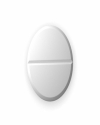
Midodrine Hydrochloride




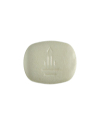

Enalapril/Hydrochlorothiazide
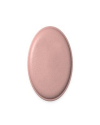
Hydrochlorothiazide and Bisoprolol

Furosemide
Lasix, a widely used medication in the loop diuretic class, is primarily prescribed for managing edema ...
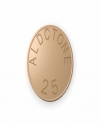
Spironolactone
Aldactone, a well-known medication in the potassium-sparing diuretic class, is primarily used for ...
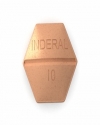
Propranolol
Inderal, a widely used medication in the beta-blocker class, is primarily prescribed for managing ...


Lisinopril
Zestril, a widely used medication in the angiotensin-converting enzyme (ACE) inhibitor class, is primarily ...

Amlodipine
Norvasc, a widely prescribed medication in the calcium channel blocker class, is used primarily for ...


Metoprolol
Toprol XL is a widely used medication in the beta-blocker class, primarily prescribed for managing ...

Hydrochlorothiazide
Lisinopril, a widely prescribed medication in the angiotensin-converting enzyme (ACE) inhibitor class, ...

Metoprolol
Toprol, often referred to as Toprol XL, is a widely used medication in the beta-blocker class, primarily ...
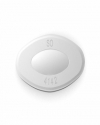
Carvedilol
Coreg is a powerful medication designed to improve heart health and manage specific heart conditions. ...

Perindopril
Coversyl is a trusted medication designed to effectively manage high blood pressure and protect heart ...
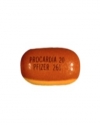
Nifedipine
Procardia is a trusted medication that effectively manages both angina and high blood pressure. As ...
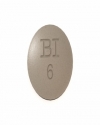

Propranolol Hydrochloride
Beloc is a trusted medication that effectively manages a variety of heart conditions. As a beta-blocker, ...

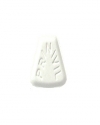
Lisinopril
Prinivil is a trusted medication that effectively manages high blood pressure and supports heart health. ...


Metoprolol
Lopressor is a trusted medication that effectively manages a range of heart conditions. As a beta-blocker, ...
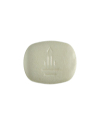
Telmisartan
Micardis, a cornerstone in blood pressure management, is a potent medication designed to regulate ...


Olmesartan
Benicar is a powerful ally in the fight against high blood pressure. This medication, an ARB, works ...

Hydrochlorothiazide
Esidrix is a diuretic, often called a "water pill," that helps your body shed excess fluid. It's like ...

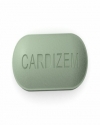

Propranolol
Inderal LA is a trusted choice for those seeking relief from the relentless thump of a racing heart. ...

Bisoprolol
Zebeta is a beta-blocker medication that helps control your blood pressure. It's like having a steady ...

Perindopril
Aceon, a standout in the realm of prescription medications, is designed to support heart health. This ...

Nifedipine
Adalat is a trusted medication designed to effectively manage both angina (chest pain) and high blood ...

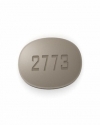
Irbesartan
Avapro is a powerful ally in the fight against high blood pressure. This medication, ...


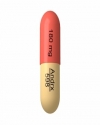
Diltiazem Hcl
Cartia XT is a cornerstone in managing both the relentless pressure of high blood pressure and the ...


Diltiazem Hcl
Diltiazem is a calcium channel blocker medication that works by relaxing blood vessels. This helps ...

Terazosin hydrochloride
If an enlarged prostate is causing frustrating urinary symptoms and disrupting your daily life, Hytrin ...

Losartan / Hydrochlorothiazide
Hyzaar is a combination medication used to treat high blood pressure. It contains ...
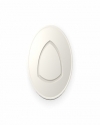

Verapamil
Isoptin SR is a calcium channel blocker medication that works to relax blood vessels ...
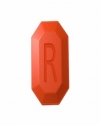
Indapamide
Lozol is a diuretic medication that helps your body eliminate excess water and salt. ...

Hydrochlorothiazide
Microzide is a diuretic, commonly known as a "water pill," designed to help your body eliminate excess ...

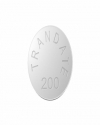


Verapamil HCl
Verapamil is a gentle yet powerful ally for your heart. This calcium channel blocker works tirelessly ...

Lisinopril / Hydrochlorothiazide
Zestoretic is a dynamic duo that packs a powerful punch against high blood pressure. This combination ...


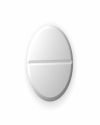

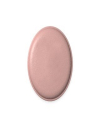

Bisoprolol

Hydralazine Hydrochloride

Candesartan

Olmesartan and amlodipine

Olmesartan medoxomil/Rothiazide

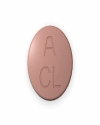


Valsartan Hydrochlorothiazide

Azilsartan medoxomil

Fludrocortisone



Telmisartan/Hydrochlorothiazide


Bempedoic acid

Terazosin hydrochloride

Olmesartan/amlodipine/hydrochlorothiazide

Understanding Blood Pressure
Blood pressure (BP) is the force exerted by circulating blood against the walls of blood vessels. It is measured in millimeters of mercury (mmHg) and expressed as two numbers:
- Systolic pressure: The higher number, representing the pressure when the heart contracts and pumps blood out.
- Diastolic pressure: The lower number, representing the pressure when the heart relaxes between beats.
A normal blood pressure reading is typically around 120/80 mmHg.
Low Blood Pressure (Hypotension)
Hypotension, also known as low blood pressure, is a condition where the force of blood against the artery walls is too low. It is generally defined as a reading below 90/60 mm Hg. While a low blood pressure reading may be normal for some individuals, it can also be a sign of an underlying health issue or a side effect of certain medications, such as those used to treat hypertension.
What are the symptoms of hypotension?
Hypotension may not always present noticeable symptoms, but common signs include:
- Dizziness or lightheadedness
- Blurred vision
- Fainting (syncope)
- Nausea or vomiting
- Fatigue or weakness
- Confusion
- Rapid, shallow breathing
- Cold, clammy skin
What causes hypotension?
Hypotension can be caused by various factors, including:
- Dehydration: Inadequate fluid intake or excessive fluid loss (e.g., through sweating, vomiting, or diarrhea) can lead to low blood volume and hypotension.
- Medication side effects: Certain medications, such as diuretics, beta blockers, and antidepressants, can lower blood pressure.
- Heart conditions: Problems with the heart's structure or function, such as heart failure or slow heart rate, can cause hypotension.
- Endocrine disorders: Hormonal imbalances, such as those caused by Addison's disease or hypothyroidism, can affect blood pressure.
- Nervous system disorders: Conditions like Parkinson's disease or diabetes can affect the nervous system's ability to regulate blood pressure.
- Severe allergic reaction (anaphylaxis): This can cause a sudden drop in blood pressure due to the release of chemicals in the body.
- Blood loss: Significant blood loss from injuries or internal bleeding can lead to hypotension.
- Pregnancy: Hormonal changes during pregnancy can cause temporary hypotension.
What should I do if I experience symptoms of hypotension?
If you experience symptoms of hypotension, lie down or sit down immediately to prevent fainting. Raise your legs above heart level to help improve blood flow to the brain. If symptoms persist or worsen, seek medical attention promptly.
How is hypotension treated?
Treatment for hypotension depends on the underlying cause. In some cases, simple measures like increasing fluid intake or adjusting medication dosages may be sufficient. However, if hypotension is caused by a serious medical condition, specific treatment will be necessary.
If you are taking blood pressure medication and experiencing hypotension, contact your doctor immediately to discuss adjusting your dosage or switching to a different medication.
High Blood Pressure (Hypertension)
High blood pressure, or hypertension, is a common condition where the force of blood against the artery walls is consistently too high.
It is often called the "silent killer" because it usually doesn't cause noticeable symptoms until it has caused significant damage to the heart and blood vessels.
Types of Hypertension
- Primary (Essential) Hypertension: The most common type, with no identifiable cause. It usually develops gradually over many years due to factors like genetics, lifestyle, and aging.
- Secondary Hypertension: Caused by an underlying medical condition, such as kidney disease, hormonal disorders, or sleep apnea. Treating the underlying condition often resolves secondary hypertension.
Risk Factors
Several factors increase the risk of developing hypertension:
- Age: Blood pressure tends to rise with age.
- Family history: Hypertension often runs in families.
- Obesity: Excess weight strains the heart and blood vessels.
- Lack of physical activity: Regular exercise helps lower blood pressure.
- Unhealthy diet: A diet high in sodium (salt) and low in potassium can elevate blood pressure.
- Excessive alcohol consumption: Heavy drinking can raise blood pressure.
- Stress: Chronic stress contributes to high blood pressure.
- Certain chronic conditions: Kidney disease, diabetes, and sleep apnea can increase blood pressure.
Complications of Untreated Hypertension
If left untreated, hypertension can lead to severe health problems, including:
- Heart disease: Heart attack, heart failure, and an enlarged heart.
- Stroke: Blockage or rupture of blood vessels in the brain.
- Aneurysm: Bulging and weakening of blood vessel walls.
- Kidney disease: Damage to the kidneys, leading to chronic kidney disease or failure.
- Vision loss: Damage to the blood vessels in the eyes.
- Sexual dysfunction: Erectile dysfunction in men and decreased libido in women.
Treatment of Hypertension
The goal of hypertension treatment is to lower blood pressure to a healthy range and reduce the risk of complications. Treatment options include:
Lifestyle Modifications: These changes are crucial for managing hypertension and often the first line of treatment:
- Healthy diet: A diet rich in fruits, vegetables, whole grains, and low-fat dairy products, while limiting saturated and trans fats, cholesterol, sodium, and added sugars.
- Regular exercise: Aim for at least 150 minutes of moderate-intensity exercise or 75 minutes of vigorous-intensity exercise per week.
Medications: When lifestyle changes alone are not enough, several types of medications can help lower blood pressure:
- Diuretics: Help the kidneys eliminate excess sodium and water from the body, reducing blood volume.
- Angiotensin-converting enzyme (ACE) inhibitors: Relax blood vessels by blocking the formation of a hormone that narrows them.
- Angiotensin II receptor blockers (ARBs): Similar to ACE inhibitors, but they work by blocking the action of angiotensin II, a hormone that narrows blood vessels.
- Calcium channel blockers: Relax blood vessels by preventing calcium from entering the cells of the heart and blood vessels.
- Beta blockers: Reduce the heart rate and the force with which the heart pumps, lowering blood pressure.
- Other medications: Alpha blockers, alpha-2 receptor agonists, combined alpha and beta-blockers, central agonists, vasodilators, and renin inhibitors are also used to treat hypertension.
Antihypertensive medications, also known as blood pressure medications, are essential tools in managing hypertension and preventing its complications. However, like any medication, they come with both benefits and drawbacks.
Pros and cons
Pros of Antihypertensive Medications:
- Lowering Blood Pressure: The primary benefit of antihypertensive medications is their effectiveness in reducing blood pressure to a healthy range. This significantly lowers the risk of major health complications such as heart attack, stroke, heart failure, kidney disease, and vision loss.
- Improved Quality of Life: By controlling blood pressure, these medications can alleviate symptoms associated with hypertension, such as headaches, dizziness, and fatigue, leading to an improved quality of life.
- Slowing Progression of Organ Damage: Hypertension can damage various organs in the body. Antihypertensive medications can help slow or even reverse this damage, particularly to the heart, kidneys, and blood vessels.
- Variety of Options: There are numerous types of antihypertensive medications available, each with different mechanisms of action and potential benefits. This allows for personalized treatment plans tailored to individual needs and medical conditions.
Cons of Antihypertensive Medications:
- Side Effects: Antihypertensive medications can cause various side effects, ranging from mild to severe. Common side effects include dizziness, fatigue, headache, dry mouth, and constipation. Some medications may cause more serious side effects like low blood pressure, electrolyte imbalances, or allergic reactions.
- Drug Interactions: Antihypertensive medications may interact with other medications, supplements, or certain foods, leading to adverse reactions or reduced effectiveness. It's essential to discuss all medications and supplements you're taking with your doctor to avoid potential interactions.
- Cost: Some antihypertensive medications can be expensive, especially newer or brand-name drugs. This may be a barrier to treatment for some individuals.
- Adherence Challenges: Taking medications as prescribed can be challenging for some individuals due to side effects, forgetfulness, or concerns about the medications. Poor adherence can lead to uncontrolled blood pressure and increased risk of complications.
- Not a Cure: Antihypertensive medications are not a cure for hypertension. They control the condition as long as they are taken regularly. Lifestyle changes like diet and exercise are essential for long-term management.
- Risk of Hypotension: In some cases, antihypertensive medications can lower blood pressure too much, leading to hypotension (low blood pressure). This can cause dizziness, fainting, and other complications.
Choosing the Right Medication
The choice of medication depends on several factors, including:
- The severity of hypertension: Milder cases may be managed with lifestyle changes and a single medication, while more severe cases may require a combination of medications.
- The presence of other medical conditions: Certain medications may be more suitable for people with specific conditions, such as diabetes or kidney disease.
- Potential side effects: Different medications have different side effects. It's important to discuss the potential side effects with your doctor to choose a medication that's right for you.
- Cost and availability: The cost and availability of medications may vary depending on your location and insurance coverage.
Monitoring and Follow-up
Regular blood pressure monitoring is essential for managing hypertension effectively. It's important to follow your doctor's instructions regarding medication dosage, lifestyle changes, and follow-up appointments.
Clinical Studies
Numerous clinical studies have been conducted to evaluate the safety, efficacy, and comparative effectiveness of different antihypertensive medications.
These studies have provided valuable insights into the best treatment options for different patient populations and have helped shape current hypertension treatment guidelines.
Here are some landmark clinical trials that have significantly impacted the field:
1- The Antihypertensive and Lipid-Lowering Treatment to Prevent Heart Attack Trial (ALLHAT): This large-scale study compared four common types of antihypertensive medications (chlorthalidone, amlodipine, lisinopril, and doxazosin) in a diverse population of patients with hypertension. It found that chlorthalidone was as effective as or better than other medications in preventing cardiovascular events and was associated with the lowest cost.
2- The Anglo-Scandinavian Cardiac Outcomes Trial (ASCOT): This trial compared two antihypertensive treatment regimens (amlodipine-based vs. atenolol-based) and found that the amlodipine-based regimen was superior in reducing the risk of cardiovascular events and new-onset diabetes.
3- The Avoiding Cardiovascular Events Through Combination Therapy in Patients Living With Systolic Hypertension (ACCOMPLISH) Trial: This study evaluated the combination of benazepril and amlodipine compared to benazepril and hydrochlorothiazide in high-risk hypertensive patients. It found that the benazepril-amlodipine combination was more effective in reducing cardiovascular events and was associated with fewer side effects.
4- The Systolic Blood Pressure Intervention Trial (SPRINT): This trial examined the effect of targeting a lower systolic blood pressure.
5- The Ongoing Trial of Intensive Versus Standard Blood Pressure Control (TARGET-BP): This ongoing study is investigating the long-term effects of intensive blood pressure control on cardiovascular outcomes in patients with type 2 diabetes.
These are just a few examples of the many clinical studies that have been conducted on antihypertensive medications. The findings from these studies have helped to refine hypertension treatment guidelines and improve the quality of care for millions of patients worldwide.
In addition to these large-scale trials, numerous smaller studies are continuously being conducted to evaluate new medications, combinations of medications, and treatment strategies. This ongoing research ensures that the field of hypertension treatment remains dynamic and responsive to the needs of patients.
Safety
Antihypertensive medications are generally safe when used as prescribed and under the supervision of a healthcare professional. However, like all medications, they can have potential side effects and risks.
Common Side Effects:
- Dizziness or lightheadedness
- Fatigue
- Headache
- Nausea
- Dry mouth
- Constipation
- Cough (especially with ACE inhibitors)
- Erectile dysfunction
- Swelling in the feet or ankles
Rare but Serious Side Effects:
- Angioedema (severe swelling of the face, lips, tongue, or throat)
- Liver problems
- Kidney problems
- Electrolyte imbalances
- Low blood pressure
- Allergic reactions
Precautions
Before starting any antihypertensive medication, it's crucial to discuss with your doctor your complete medical history, including any allergies, current medications, and underlying health conditions. This will help determine the most appropriate medication and dosage for your individual needs.
Specific Precautions for Certain Medications:
- Diuretics: Monitor electrolyte levels (especially potassium) regularly, as diuretics can cause imbalances.
- ACE inhibitors and ARBs: Use with caution in patients with kidney disease, as they can further impair kidney function. Avoid potassium supplements or salt substitutes unless advised by your doctor.
- Calcium channel blockers: May worsen symptoms of heart failure in some individuals. Monitor heart rate and rhythm.
- Beta blockers: Use with caution in patients with asthma or chronic obstructive pulmonary disease (COPD), as they can worsen breathing difficulties. Monitor blood sugar levels in patients with diabetes.
General Precautions for All Antihypertensive Medications:
- Avoid abrupt discontinuation: Stopping medications suddenly can cause a rebound increase in blood pressure. Always consult your doctor before discontinuing or changing your medication.
- Inform your doctor about pregnancy or breastfeeding: Some antihypertensive medications may not be safe during pregnancy or breastfeeding. Discuss with your doctor the risks and benefits before taking any medication.
- Avoid alcohol and certain medications: Alcohol and some medications can interact with antihypertensive drugs, increasing the risk of side effects or reducing their effectiveness. Consult your doctor about any potential interactions.
- Monitor blood pressure regularly: Regular monitoring is essential to ensure the medication is working effectively and to adjust the dosage if needed.
- Report any side effects: Inform your doctor about any side effects you experience, as they may be able to adjust the medication or recommend alternative treatments.
- Lifestyle modifications: Continue to follow a healthy lifestyle, including a balanced diet, regular exercise, and stress management, even while taking medication. These changes can enhance the effectiveness of the medication and potentially reduce the need for higher doses.
- Follow-up appointments: Attend regular follow-up appointments with your doctor to monitor your blood pressure, assess the medication's effectiveness, and discuss any concerns or questions you may have.
By taking these precautions and working closely with your doctor, you can safely and effectively manage your blood pressure with antihypertensive medications and minimize the risk of complications.
Drug Interactions
The interactions of antihypertensive drugs with other medications and substances can be complex and varied, often depending on the specific class of antihypertensive drug involved. Here's a summary of some key interactions:
Beta-Blockers:
- Beta-blockers work by blocking the effects of adrenaline, slowing down the heart rate and reducing blood pressure.
- They can have additive effects with other heart rate-lowering agents, leading to bradycardia.
- They can also mask symptoms of hypoglycemia in patients taking oral antidiabetic drugs and may interfere with the effectiveness of bronchodilators in respiratory conditions.
Calcium Channel Blockers (CCBs):
- CCBs work by relaxing blood vessels and increasing the supply of blood and oxygen to the heart.
- Certain CCBs can cause bradycardia and heart block when combined with other heart rate-reducing agents.
- They may also interact with cholesterol-lowering drugs (statins) due to their metabolism by the same liver enzyme.
Diuretics:
- Diuretics increase urine output, which helps to reduce fluid volume in the body and lower blood pressure.
- They can cause low potassium levels, especially when combined with low-potassium diets or certain medications like corticosteroids.
- They can also increase the risk of abnormal heart rhythms when combined with certain antiarrhythmic drugs.
ACE Inhibitors, ARBs, and Renin Inhibitors:
- These drugs work by inhibiting the renin-angiotensin-aldosterone system, which helps to regulate blood pressure.
- They can cause high potassium levels, especially when combined with potassium-sparing diuretics or in patients with reduced kidney function.
Aldosterone Blockers (e.g., spironolactone, eplerenone):
- These drugs block the action of aldosterone, a hormone that helps to regulate blood pressure.
- They can increase the risk of high potassium levels when used with other medications that affect potassium levels.
Alpha-Blockers:
- Alpha-blockers work by relaxing blood vessels, which helps to lower blood pressure.
- They can cause fluid retention, which may be counteracted by concurrent use of diuretics.
Other Interactions:
- Grapefruit juice can interact with certain CCBs and statins, potentially increasing their blood levels.
- Alcohol can raise blood pressure, potentially reducing the effectiveness of some antihypertensives.
- Statin doses may need to be adjusted when combined with certain CCBs.
It's crucial for patients to inform their healthcare providers about all medications they are taking, including over-the-counter drugs and supplements, to avoid potential interactions. This will help ensure the safe and effective management of hypertension.
Contraindications
Contraindications are specific situations or conditions in which a particular drug should not be used because it may cause harm to the patient. Here are some common contraindications for different classes of antihypertensive medications:
Beta-Blockers:
- Severe bradycardia: If the patient's heart rate is already very slow, beta-blockers can further decrease it, leading to potentially dangerous complications.
- Heart block (second or third degree): These conditions involve impaired electrical conduction in the heart, and beta-blockers can worsen the problem.
- Decompensated heart failure: Beta-blockers can worsen symptoms of heart failure in patients who are not stable.
- Bronchial asthma or COPD: Beta-blockers can cause bronchoconstriction, which can worsen symptoms of respiratory conditions.
Calcium Channel Blockers (CCBs):
- Severe hypotension: If the patient's blood pressure is already very low, CCBs can further lower it, leading to inadequate blood flow to organs.
- Cardiogenic shock: CCBs can worsen cardiac output and decrease blood pressure in patients with cardiogenic shock.
- Sick sinus syndrome or significant AV block: These conditions involve problems with the heart's electrical conduction system, and CCBs can exacerbate them.
Diuretics:
- Anuria (complete absence of urine production): Diuretics are ineffective in this situation and can worsen kidney function.
- Severe hyponatremia (low sodium levels): Diuretics can further decrease sodium levels, leading to serious complications.
- Hypersensitivity to sulfonamides: Thiazide diuretics are contraindicated in patients allergic to sulfonamide antibiotics.
ACE Inhibitors, ARBs, and Renin Inhibitors:
- History of angioedema: These drugs can cause swelling of the face, lips, tongue, or throat, which can be life-threatening.
- Bilateral renal artery stenosis: These drugs can significantly impair kidney function in patients with this condition.
- Pregnancy: These drugs can harm the developing fetus and are contraindicated during pregnancy.
Aldosterone Blockers:
- Hyperkalemia (high potassium levels): These drugs can further increase potassium levels, leading to potentially dangerous complications.
- Severe renal impairment: These drugs are not effectively cleared by the kidneys in patients with significantly reduced kidney function.
Alpha-Blockers:
- Hypersensitivity: Patients with known allergies to alpha-blockers should not use them.
It's crucial for healthcare providers to carefully evaluate each patient's medical history and current conditions to determine the appropriate antihypertensive medication and ensure that there are no contraindications.
Please note that this is not an exhaustive list of all contraindications. Always consult a healthcare professional for personalized advice and treatment.
Ordering Blood Pressure Medications Online
Tired of long lines and high prices at your local pharmacy? Take control of your heart health and save money by switching to RiteDrugstore Mail Order Pharmacy for your blood pressure medications. We make it simple, affordable, and convenient to manage your hypertension, so you can focus on living your best life.
Why Choose RiteDrugstore?
- Convenience: Order your prescriptions online and have them delivered right to your door. No more trips to the pharmacy or waiting in line.
- Affordability: Enjoy competitive prices and potential savings through our automatic refills and 90-day supply options.
- Trust and Reliability: RiteDrugstore is a licensed pharmacy with experienced pharmacists who prioritize your safety and well-being.
- Secure and Private: Your personal and health information is protected with the highest standards of security.
- Wide Selection: We offer a comprehensive range of brand-name and generic blood pressure medications.
- Expert Support: Our pharmacists are available 24/7 to answer your questions and provide guidance.
Peace of Mind with RiteDrugstore Pharmacy
With RiteDrugstore, you can be confident that you're getting the right medications at the right price, delivered safely and discreetly to your doorstep. Plus, our 24/7 pharmacist support ensures you have the resources you need to manage your hypertension effectively.
Don't wait! Take the first step towards a healthier heart and a more convenient pharmacy experience. Buy your blood pressure medications online with RiteDrugstore Pharmacy today.
FAQs
Is it safe to buy my blood pressure medication online?
Yes, it is safe to buy blood pressure medications online from reputable and licensed pharmacies like RiteDrugstore that adheres to strict regulations and security measures to ensure the medications are genuine and safe.
How often should I have my blood pressure checked while taking medication?
The frequency of blood pressure checks depends on various factors, including the severity of your hypertension, your overall health, and the specific medication you are taking. Generally, your doctor will recommend regular checkups, especially during the initial stages of treatment, to monitor your blood pressure and adjust medication as needed.
Can I still make lifestyle changes (like diet and exercise) while taking blood pressure medication?
Absolutely! Lifestyle changes like eating a healthy diet, exercising regularly, maintaining a healthy weight, and limiting alcohol intake are crucial for managing blood pressure, even while taking medication. These changes can enhance the effectiveness of medication and potentially reduce the need for higher doses.
What happens if I miss a dose of my blood pressure medication?
If you miss a dose, take it as soon as you remember. However, if it's close to the time for your next dose, skip the missed dose and continue your regular schedule. Do not double up on doses to make up for a missed one. If you miss multiple doses, contact your doctor or pharmacist for advice.
How do I store my blood pressure medication to ensure its effectiveness?
Store your blood pressure medication as directed on the label or by your pharmacist. Most medications should be stored at room temperature away from moisture and heat. Some medications may require refrigeration. Keep all medications out of reach of children and pets.
What steps should I take if I need to cancel or modify an order for blood pressure medications from RiteDrugstore?
Contact RiteDrugstore’s customer service as soon as possible to request a cancellation or modification of your order. Provide your order number and details about the changes you wish to make. Be aware of any deadlines for changes to avoid processing delays.
How can I determine if a generic blood pressure medication from RiteDrugstore is equivalent to a brand-name drug?
Generics approved by regulatory agencies like the FDA are required to be bioequivalent to their brand-name counterparts. Check RiteDrugstore’s information about the generic medication for details on its equivalence, or consult with your healthcare provider for confirmation.
What should I do if I receive a prescription for a blood pressure medication that is not listed on the RiteDrugstore website?
If your prescribed medication is not available online, contact RiteDrugstore’s customer service to inquire about availability or alternatives. They may be able to special order the medication or suggest suitable substitutes.


