


Arthritis


Leflunomide
Living with rheumatoid arthritis can be painful and limiting, but Arava (leflunomide) offers advanced ...

Azathioprine

Sulfasalazine
Living with ulcerative colitis can feel like a constant battle. Azulfidine is here to help you take ...



Hydroxychloroquine

Methotrexate, a versatile and potent medication, is widely used in the treatment of various cancers ...

Baricitinib

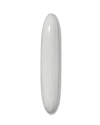
Hydroxychloroquine
Plaquenil is a versatile medication renowned for its efficacy in managing autoimmune conditions like ...
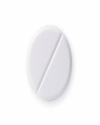




Febuxostat

Indomethacin
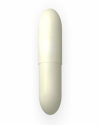
Indocin, a well-known medication in the nonsteroidal anti-inflammatory drug (NSAID) class, is used ...


Etoricoxib
Arcoxia, a potent medication in the selective COX-2 inhibitor class, is used primarily for managing ...

Allopurinol
Zyloprim, a well-established medication, is primarily used to manage gout and certain types of kidney ...

Ibuprofen, a widely recognized nonsteroidal anti-inflammatory drug (NSAID), is effective for relieving ...

Allopurinol is a widely used medication for managing gout and certain types of kidney stones. The ...




Cyclosporine
When your body needs a helping hand to accept a transplanted organ or manage certain autoimmune conditions, ...

Colchicum autumnale
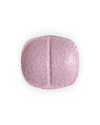
Colchicine is a well-established medication used primarily for the treatment and prevention of gout ...
Indomethacin

Colchicine
What's Arthritis?
Within our intricate skeletal structure, joints serve as the hinges that enable fluid movement. However, when arthritis strikes, these hinges creak, groan, and sometimes refuse to cooperate altogether. This common ailment, often misconstrued as simply a "wear and tear" disease of aging, is a far more complex adversary than meets the eye.
At its core, arthritis is an inflammation of the joints. Yet, beneath this umbrella term lies a multitude of distinct subtypes, each with its own origins and modus operandi. From osteoarthritis, the most prevalent form stemming from cartilage erosion, to rheumatoid arthritis, an autoimmune disorder where the body wages war against its own joints, the manifestations of this condition are as diverse as the individuals it afflicts.
The symphony of symptoms that accompany arthritis is a melancholy one, featuring joint pain as its lead instrument. This pain, whether a dull ache or a sharp pang, can ebb and flow with the rhythm of daily life. Stiffness, particularly upon waking or after periods of inactivity, joins the chorus, often hindering the simplest of tasks. Swelling, redness, and a decreased range of motion may also take the stage, creating a cumulative burden on those who suffer.
Though age remains a major risk factor, arthritis is far from an exclusive affliction of the elderly. Genetics, prior injuries, underlying medical conditions, and even lifestyle choices can all play a role in its onset. Obesity, for instance, adds extra stress to weight-bearing joints, accelerating their decline.
The impact of arthritis extends far beyond the physical realm. Chronic pain and limited mobility can cast a shadow over mental well-being, leading to depression and anxiety. Social isolation may also ensue as activities once enjoyed become difficult or impossible. Furthermore, the economic toll of arthritis is substantial, with direct medical costs and indirect losses due to disability amounting to billions annually.
Despite the formidable nature of this adversary, there is hope. A multifaceted approach to managing arthritis is often the most effective. Lifestyle modifications, such as maintaining a healthy weight and engaging in regular exercise, can alleviate symptoms and slow disease progression. Medications, ranging from over-the-counter pain relievers to powerful biologics, can also offer significant relief.
Arthritis Medications
There are several types of medications used to manage arthritis, each with its own mechanism of action and potential side effects. The specific medication prescribed will depend on the type of arthritis, severity of symptoms, and individual patient factors.
Over-the-counter (OTC) pain relievers:
- Acetaminophen (Tylenol): This can help alleviate mild to moderate pain but doesn't address inflammation. Works in the brain to block pain signals, providing pain relief
- Nonsteroidal anti-inflammatory drugs (NSAIDs): These medications, such as ibuprofen (Advil, Motrin) and naproxen (Aleve), reduce both pain and inflammation. Block the production of prostaglandins, which are chemicals in the body that cause pain and inflammation.
Prescription medications:
- Stronger NSAIDs: These may be prescribed for more severe pain and inflammation.
- Corticosteroids: These powerful anti-inflammatory drugs can be taken orally or injected directly into the affected joint to Mimic the effects of cortisol, a hormone produced naturally in the body that reduces inflammation.
- Biologic response modifiers: These newer drugs target specific components of the immune system that drives inflammation in rheumatoid arthritis.
- Disease-modifying antirheumatic drugs (DMARDs): Work in various ways to slow the progression of rheumatoid arthritis, such as suppressing the immune system or blocking inflammatory pathways.
Topical treatments:
- Creams or gels: These can be applied directly to the affected joint for pain relief. Often contain NSAIDs or other pain-relieving ingredients that are absorbed through the skin to provide localized relief.
How medications work for arthritis?
- Osteoarthritis: Medications primarily focus on pain relief and reducing inflammation. OTC pain relievers and NSAIDs are often the first line of treatment. In more severe cases, stronger NSAIDs, corticosteroids, or hyaluronic acid injections may be used.
- Rheumatoid arthritis: Treatment aims to slow disease progression and prevent joint damage. DMARDs and biologic response modifiers are often used in combination with NSAIDs or corticosteroids.
- Gout: Medications are used to reduce pain and inflammation during acute attacks (colchicine, NSAIDs, corticosteroids) and to lower uric acid levels to prevent future attacks (allopurinol, febuxostat).
Pros & Cons
Medications for arthritis offer various benefits in managing pain, inflammation, and disease progression, but they also come with potential risks and drawbacks.
Pros:
- Pain relief: Medications can significantly reduce pain and stiffness, improving quality of life and enabling participation in daily activities.
- Reduced inflammation: Anti-inflammatory drugs can lessen swelling and warmth in affected joints, promoting comfort and mobility.
- Slowed disease progression: Disease-modifying drugs can help prevent joint damage and preserve function, particularly in inflammatory types of arthritis like rheumatoid arthritis.
- Improved mobility and function: By reducing pain and inflammation, medications can enhance joint flexibility and range of motion, allowing for easier movement and participation in physical activities.
Cons:
- Side effects: All medications have potential side effects, which can range from mild (upset stomach, dizziness) to severe (gastrointestinal bleeding, liver damage, increased risk of infections).
- Long-term risks: Some medications, especially NSAIDs and corticosteroids, can have long-term risks with prolonged use, such as cardiovascular problems, kidney damage, or bone thinning.
- Individual variability: Medications may not work for everyone, and the effectiveness can vary from person to person.
- Cost: Some medications, particularly newer biologic drugs, can be very expensive.
- Limited effectiveness: Medications may not completely eliminate all symptoms or halt disease progression in all cases.
- Interactions with other medications: Some arthritis medications can interact with other drugs a person may be taking, leading to potential complications.
Clinical Studies
Numerous clinical studies have been conducted to evaluate the efficacy and safety of various medications for arthritis. These studies help to determine the optimal treatment strategies for different types of arthritis and patient populations.
Osteoarthritis:
- NSAIDs: Several studies have demonstrated the effectiveness of NSAIDs in reducing pain and improving function in patients with osteoarthritis. However, long-term use can increase the risk of gastrointestinal and cardiovascular problems.
- Topical NSAIDs: Studies suggest that topical NSAIDs may be as effective as oral NSAIDs for pain relief in knee osteoarthritis, with fewer systemic side effects.
- Corticosteroid injections: Clinical trials have shown that corticosteroid injections can provide short-term pain relief and improve function in osteoarthritis. However, the long-term benefits are less clear, and repeated injections can damage cartilage.
- Hyaluronic acid injections: Research suggests that hyaluronic acid injections may provide some pain relief and improve function in knee osteoarthritis, but the evidence is mixed.
Rheumatoid arthritis:
- DMARDs: Multiple clinical trials have demonstrated the effectiveness of DMARDs in slowing disease progression, preventing joint damage, and improving quality of life in patients with rheumatoid arthritis.
- Biologic response modifiers: Clinical studies have shown that biologic response modifiers can be highly effective in patients who do not respond well to traditional DMARDs.
- JAK inhibitors: Newer medications, such as JAK inhibitors, have shown promising results in clinical trials for treating rheumatoid arthritis, offering an alternative for patients who don't respond to other therapies.
Other types of arthritis:
- Gout: Clinical trials have shown that medications like allopurinol and febuxostat can effectively lower uric acid levels and prevent gout flares. Colchicine and NSAIDs are used for acute pain relief during flares.
Ongoing research:
- New medications: Researchers are continually developing new medications for arthritis, including novel biologics, targeted therapies, and cell-based therapies.
- Personalized medicine: Clinical studies are exploring how to tailor treatment to individual patients based on their genetic profile and other factors.
- Non-pharmacological interventions: Research is also investigating the role of non-pharmacological interventions, such as exercise, weight loss, and physical therapy, in managing arthritis.
Safety
- Arthritis medications should only be taken under the supervision of a healthcare professional.
- Follow the prescribed dosage and instructions carefully.
- Report any unusual symptoms or side effects to your doctor promptly.
- Regular monitoring and follow-up with your doctor are essential to ensure the safety and effectiveness of your treatment.
Side Effects
The side effects of arthritis medications vary depending on the specific drug and individual patient factors. Some common side effects include:
- OTC pain relievers (acetaminophen, NSAIDs):
- Stomach upset, heartburn, nausea, vomiting
- Dizziness, headache
- Increased risk of bleeding (NSAIDs)
- Kidney and liver problems (with long-term use)
- Corticosteroids:
- Increased appetite, weight gain
- Mood swings, sleep problems
- Thinning of bones (osteoporosis)
- Increased risk of infections
- DMARDs (methotrexate, leflunomide, etc.):
- Nausea, vomiting, diarrhea
- Liver problems
- Hair loss
- Increased risk of infections
- Biologic response modifiers:
- Injection site reactions
- Increased risk of infections (serious infections like tuberculosis)
- Allergic reactions
Precautions
- Pregnancy and breastfeeding: Some arthritis medications can be harmful to a developing fetus or nursing infant. Discuss any plans for pregnancy or breastfeeding with your doctor before starting or continuing any medication.
- Alcohol: Limit or avoid alcohol consumption while taking certain arthritis medications, as it can increase the risk of side effects.
- Driving and operating machinery: Some medications can cause drowsiness or dizziness. Avoid driving or operating machinery until you know how the medication affects you.
- Existing medical conditions: Inform your doctor about any other medical conditions you have, as they may affect your treatment options.
Drug Interactions
- Some arthritis medications can interact with other medications you may be taking, including over-the-counter drugs and supplements.
- Inform your doctor about all medications you are taking, including prescription drugs, over-the-counter drugs, vitamins, and herbal supplements.
- Your doctor may need to adjust your dosages or monitor you closely for side effects if you are taking multiple medications.
Contraindications
- Certain arthritis medications may not be suitable for individuals with specific medical conditions, such as liver or kidney disease, active infections, or a history of certain allergic reactions.
- Inform your doctor about your complete medical history before starting any new medication.
Ordering Online Via Mail Order Pharmacy
Ordering your arthritis medication online from a licensed mail-order pharmacy like RiteDrugstore can offer several benefits:
-
Convenience: Avoid the hassle of visiting a physical pharmacy, especially if you have mobility issues or live far from one. Your medication is delivered right to your doorstep, saving you time and effort.
-
Competitive pricing: Mail-order pharmacies often have lower overhead costs, allowing them to offer medications at competitive prices, potentially saving you money.
-
Automatic refills: RiteDrugstore can set up automatic refills for your medication, ensuring you never run out and saving you the trouble of remembering to reorder.
-
Discreet packaging: Your medication will be shipped in discreet packaging to protect your privacy.
-
Access to pharmacists: RiteDrugstore has licensed pharmacists available to answer any questions you may have about your medication or its potential side effects.
-
Wide selection: Mail-order pharmacies typically have a wider selection of medications than physical pharmacies, giving you more options to choose from.
-
24/7 access: You can order your medication online anytime, day or night, from the comfort of your own home.
-
Medication management tools: RiteDrugstore offers online tools to help you manage your medication schedule and track your refills.
How to Save on Arthritis Medications?
Saving money on arthritis medications can be a significant concern, especially if you have a chronic condition requiring long-term treatment. Here are some strategies to explore:
- Generic medications: Whenever possible, opt for generic versions of your medications. They contain the same active ingredients as brand-name drugs but are often significantly cheaper.
- Mail-order pharmacies: As discussed earlier, mail-order pharmacies like RiteDrugstore often have lower prices than brick-and-mortar pharmacies
- Consider buying in bulk: RiteDrugstore offers discounts for buying a 90-day supply of medication instead of a 30-day supply.
- Consider over-the-counter options: For mild arthritis pain, over-the-counter pain relievers like acetaminophen or NSAIDs may be sufficient and more affordable than prescription medications.
FAQs
Can arthritis affect young people?
Yes, while age is a risk factor, arthritis can affect people of any age, including young adults and even children. Genetic predisposition, injuries, and underlying medical conditions can contribute to the development of arthritis at a younger age.
Are there non-medication treatments for arthritis?
Yes, lifestyle modifications like maintaining a healthy weight, engaging in regular exercise (particularly low-impact activities), and physical therapy can help manage arthritis symptoms and potentially slow disease progression.
Can arthritis affect my mental health?
Yes, the chronic pain and limitations caused by arthritis can significantly impact mental well-being, leading to depression, anxiety, and social isolation. It's important to address both the physical and emotional aspects of arthritis for comprehensive management.
How do I know which arthritis medication is right for me?
Your doctor will consider the specific type of arthritis you have, the severity of your symptoms, your medical history, and any other medications you're taking to determine the best course of treatment.
Can arthritis be cured?
Currently, there is no cure for most types of arthritis. However, treatment focuses on managing symptoms, slowing disease progression, and improving quality of life. In some cases, joint replacement surgery may be an option.
Are there any non-pharmaceutical ways to alleviate arthritis pain?
Yes, several non-pharmaceutical approaches can help manage arthritis pain. These include hot/cold therapy, topical creams, supportive devices (braces, canes), and complementary therapies like acupuncture or massage.


