


Birth Control


Cyproterone acetate and ethinylestradiol

Estrogen and Progesterone

Desogestrel and Ethinyl Estradiol

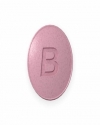
Ethinyl estradiol / Levonorgestrel
Levlen, a highly effective oral contraceptive, is designed to prevent pregnancy and manage various ...

Ethinyl estradiol / Norgestrel
Ovral, a well-established oral contraceptive, is known for its effectiveness in preventing unintended ...
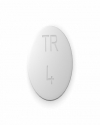
Desogestrel / Ethinyl estradiol
Mircette, a popular oral contraceptive, is well-known for its effectiveness in preventing pregnancy ...

Dydrogesterone
Duphaston, a well-regarded medication in the progestin class, is commonly used for managing various ...
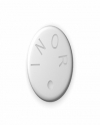
Levonorgestrel
Plan B, a widely recognized emergency contraceptive, is designed to prevent unintended pregnancy following ...

Drospirenone / Ethinyl Estradiol
Yasmin, a widely used oral contraceptive, is known for its effectiveness in preventing pregnancy and ...

Levonorgestrel / Ethinyl estradiol
Alesse, a popular oral contraceptive, is renowned for its effectiveness in preventing unintended pregnancies. ...
Desogestrel / Ethinyl estradiol

Desogestrel / Ethinyl estradiol

Birth control, also known as contraception, encompasses a wide range of methods and practices aimed at preventing pregnancy. These methods vary in their effectiveness, how they are used, and potential side effects. Birth control is a crucial aspect of reproductive health and can empower individuals to make informed decisions about their bodies and family planning. By understanding the various methods available and their associated considerations, you can choose the birth control option that best suits your needs and lifestyle.
Types of Birth Control
-
Barrier Methods: These methods physically prevent sperm from reaching an egg. Examples include:
- Male and female condoms
- Diaphragms
- Cervical caps
- Sponges
-
Hormonal Methods: These methods use hormones to prevent ovulation or thicken cervical mucus, making it difficult for sperm to reach an egg. Examples include:
- Birth control pills
- Patches
- Vaginal rings
- Injections
- Implants
-
Intrauterine Devices (IUDs): These are small, T-shaped devices inserted into the uterus to prevent pregnancy. They can be hormonal or non-hormonal (copper).
-
Sterilization: These are permanent surgical procedures that prevent pregnancy. Tubal ligation for women and vasectomy for men are common sterilization methods.
-
Natural Family Planning: This involves tracking a woman's menstrual cycle and avoiding intercourse during fertile periods.
-
Emergency Contraception: This is used after unprotected sex to prevent pregnancy. It includes emergency contraceptive pills and copper IUDs.
Choosing the Right Birth Control
The best birth control method for you depends on various factors, including your:
- Health history
- Lifestyle
- Personal preferences
- Future plans for having children
It's crucial to discuss your options with a healthcare provider to determine the most suitable method for you.
Benefits of Birth Control
- Preventing unintended pregnancy
- Regulating menstrual cycles
- Reducing menstrual cramps and pain
- Treating certain medical conditions like endometriosis or polycystic ovary syndrome (PCOS)
- Lowering the risk of certain cancers
Pros & Cons
Birth control medications, like other medications, have both pros and cons that need to be considered when choosing a contraceptive method.
Pros of Birth Control Medications:
- High Effectiveness: Hormonal birth control methods, such as pills, patches, injections, and implants, are highly effective in preventing pregnancy when used correctly.
- Cycle Regulation: These medications can help regulate menstrual cycles, making them lighter, shorter, and more predictable.
- Reduced Pain: Hormonal birth control can reduce menstrual cramps and pain associated with conditions like endometriosis.
- Non-Contraceptive Benefits: Some hormonal methods may offer benefits beyond contraception, such as reducing acne, improving bone density, or decreasing the risk of ovarian and endometrial cancers.
Cons of Birth Control Medications:
- Side Effects: Hormonal birth control can have various side effects, including nausea, breast tenderness, headaches, mood changes, and breakthrough bleeding.
- Serious Risks: Although rare, some hormonal methods carry a small risk of blood clots, stroke, or heart attack, especially in women over 35 or those with certain risk factors.
- Not Suitable for Everyone: Certain medical conditions or medications may make hormonal birth control unsuitable for some individuals.
- Requires Regular Use/Adherence: Hormonal methods often require daily or monthly administration to maintain effectiveness.
- No STI Protection: Birth control medications do not protect against sexually transmitted infections (STIs).
Clinical Studies
Numerous clinical studies have been conducted on birth control medications over the years, evaluating their efficacy, safety, and side effects. Some notable studies include:
-
The Royal College of General Practitioners Oral Contraception Study: This large-scale study, started in 1968, investigated the long-term health effects of combined oral contraceptive pills (COCPs) and found an increased risk of venous thromboembolism (VTE) but also a reduced risk of ovarian and endometrial cancer.
-
The Oxford/Family Planning Association Contraceptive Study: This study, conducted in the 1970s, compared different types of oral contraceptives and found that newer, low-dose COCPs had a lower risk of VTE compared to older, high-dose pills.
- The Walnut Creek Contraceptive Drug Study: This study, also conducted in the 1970s, investigated the relationship between oral contraceptive use and various health outcomes, including cardiovascular disease and cancer.
- The World Health Organization Special Programme on Human Reproduction: This ongoing research program focuses on developing new contraceptive methods and improving the safety and effectiveness of existing ones.
- The Oral Contraceptive and Hemostasis Study Group: This international group of researchers has conducted several studies on the effects of oral contraceptives on blood clotting and the risk of VTE.
- The International Active Surveillance Study – Safety of Contraceptives: Role of Estrogens (INAS-SCORE): This ongoing study is evaluating the safety of different types of combined oral contraceptives, with a focus on the risk of VTE.
These are just a few examples of the many clinical studies that have been conducted on birth control medications. These studies have helped to improve our understanding of the risks and benefits of these medications and have led to the development of safer and more effective contraceptive options.
It is important to note that clinical studies are ongoing, and our understanding of the risks and benefits of birth control medications continues to evolve.
Safety
Birth control medications are generally safe for most women. However, like all medications, they can have potential risks and side effects. The safety of birth control depends on the type of medication, the individual's medical history, and other factors. It is crucial to consult with a healthcare provider to determine the most suitable and safe birth control option.
Side Effects
Common side effects of birth control medications may include:
- Breakthrough bleeding or spotting (especially in the first few months)
- Nausea
- Breast tenderness
- Headaches
- Mood changes
- Decreased libido
- Weight changes (though this is less common)
Some less common but more serious side effects can include blood clots, stroke, and heart attack. These risks are higher for women who smoke, have high blood pressure, or have a history of blood clots.
Precautions
-
Medical History: Before starting any birth control medication, disclose your complete medical history to your healthcare provider. Certain conditions, such as a history of blood clots, stroke, heart disease, or certain types of cancer, may make some birth control methods unsuitable.
- Smoking: Smoking significantly increases the risks associated with some hormonal birth control methods, particularly those containing estrogen.
- Regular Check-ups: Schedule regular check-ups with your healthcare provider to monitor your health and discuss any concerns about your birth control.
- Missed Pills: If you miss a pill, follow the instructions provided with your medication or consult your healthcare provider for guidance.
Drug Interactions
Certain medications and supplements can interact with birth control pills, potentially reducing their effectiveness or causing side effects. It's essential to inform your healthcare provider about all medications and supplements you are taking, including over-the-counter drugs and herbal remedies.
Contraindications
Birth control pills may be contraindicated (not recommended) for women with certain medical conditions, such as:
- History of blood clots or stroke
- Heart disease
- Uncontrolled high blood pressure
- Certain types of cancer (breast, liver)
- Active liver disease
Online Ordering of Birth controll pills
Ordering birth control pills online from RiteDrugstore Pharmacy offers several potential benefits:
-
Convenience: You can order your medication from the comfort of your own home and have it delivered to your doorstep. This eliminates the need to visit a physical pharmacy and wait in line.
-
Privacy: Online ordering provides a discreet way to obtain birth control without having to discuss it in person with a pharmacist or other customers.
-
Price Transparency: RiteDrugstore clearly displays prices, allowing you to compare costs and choose the most affordable option. returning customers eligible for additional savings.
-
Automatic Refills: You can set up automatic refills for your prescription, ensuring you never run out of your medication.
-
24/7 Pharmacist Support: RiteDrugstore offers 24/7 access to licensed pharmacists who can answer your questions about your medication or any concerns you may have.
-
Wide Selection: RiteDrugstore carries a wide range of birth control pills, including both generic and brand-name options.
FAQs
How do I know which type of birth control is right for me?
The best birth control for you depends on several factors, including your health history, lifestyle, personal preferences, and whether you plan to have children in the future. Talking to a healthcare provider is the best way to determine which method is most suitable for you.
Can I get pregnant while on birth control?
While birth control is highly effective, no method is 100% foolproof. The effectiveness varies depending on the type of birth control and how consistently it's used. It's essential to use birth control correctly and consistently to maximize its effectiveness.
What should I do if I miss a dose of my birth control pill?
If you miss a dose of your birth control pill, refer to the instructions provided with your medication. Typically, you can take the missed pill as soon as you remember and continue taking the rest of your pills as usual. However, if you miss multiple pills, you may need to use backup contraception and consult your healthcare provider.
Are there any long-term health effects associated with birth control use?
Most birth control methods are safe for long-term use. However, some hormonal methods may have potential long-term effects, such as a slightly increased risk of certain cancers or cardiovascular problems. Your healthcare provider can discuss these risks with you and help you choose the most suitable method based on your health history.
Can I use birth control if I am breastfeeding?
Yes, there are safe and effective birth control options for breastfeeding women. Generally, progestin-only methods like the minipill, injection, or implant are recommended as they don't affect milk supply. Discuss with your healthcare provider to find the best option for you.
Will birth control affect my fertility in the future?
For most women, fertility returns quickly after stopping birth control. However, it may take a few months for your menstrual cycle to return to normal. Certain long-acting reversible contraceptives (LARCs), like implants or IUDs, may take slightly longer to regain fertility after removal, but it won't affect your ability to get pregnant in the long term.
Does birth control protect against sexually transmitted infections (STIs)?
No, most birth control methods do not protect against STIs. The only method that offers protection against STIs is the male condom. If you are concerned about STIs, it's important to use condoms in addition to your chosen birth control method.
How soon after stopping birth control can I get pregnant?
This varies depending on the type of birth control you were using. For most methods, including pills, patches, and rings, you can ovulate and get pregnant as soon as you stop using them. However, for some LARCs like implants or IUDs, it may take a few weeks for fertility to return.
Can I switch birth control methods if the one I'm using isn't working for me?
Yes, you can switch birth control methods if the one you're using isn't suitable for you. Talk to your healthcare provider about your concerns and they can help you find a more suitable option.
What should I do if I experience side effects from my birth control?
If you experience side effects from your birth control, talk to your healthcare provider. They can help you manage the side effects or recommend a different method if necessary. Don't stop using birth control without consulting your healthcare provider first.


