


Antibiotics


Amoxicillin/Clavulanic Acid


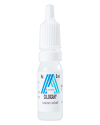
Ciprofloxacin
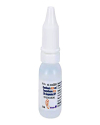
Ciprofloxacin/Dexamethasone

Ciprofloxacin hydrochloride


Terbinafine






Cycloserine


Oxytetracycline
When bacterial infections require precise and effective treatment, Terramycin (oxytetracycline) provides ...

Tetracycline Hydrochloride
TWhen everyday infections turn into persistent challenges, Tetracycline steps in as your reliable ...
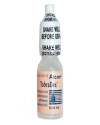


Doxycycline
Vibramycin, a powerful ally in the fight against bacterial infections, provides a shield of protection ...


Azithromycin

Doxycycline
Doxycycline's prowess lies in its ability to target an extensive range of bacteria, both gram-positive ...
Amoxicillin
Amoxil, powered by its active ingredient amoxicillin, is a widely recognized and trusted penicillin ...

Metronidazole
Flagyl, a potent antibiotic in the nitroimidazole class, is renowned for its effectiveness in treating ...

Azithromycin
Zithromax is a top-tier antibiotic trusted for its powerful, broad-spectrum action against bacterial ...
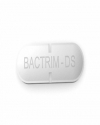
Trimethoprim
Bactrim, a trusted and versatile antibiotic, stands ready to protect your health from a wide array ...

Erythromycin
Erythromycin, a well-established antibiotic in the macrolide class, is highly effective in treating ...

Ciprofloxacin
Cipro, a powerful antibiotic in the fluoroquinolone class, is widely known for its effectiveness in ...

Nitrofurantoin monohydrate
Macrobid, a well-regarded antibiotic in the nitrofurantoin class, is specifically designed for treating ...
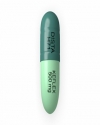
Cephalexin
Keflex, a highly effective antibiotic in the cephalosporin class, is well-regarded for treating a ...

Amoxicillin / Clavulanate
Augmentin, a highly effective antibiotic combining amoxicillin and clavulanate potassium, is renowned ...

Acillin
Ampicillin, a versatile antibiotic in the penicillin class, is highly effective for treating a wide ...

Norfloxacin
Noroxin, a trusted antibiotic in the fluoroquinolone class, is highly effective for treating a range ...

Clindamycin
Cleocin, a highly effective antibiotic in the clindamycin class, is renowned for its ability to treat ...


Amoxicillin
Trimox, a reliable and versatile antibiotic, stands ready to defend your health against a wide range ...

Levofloxacin
Levaquin, a powerful antibiotic in the fluoroquinolone class, is highly regarded for its effectiveness ...

Cephalexin
Cephalexin, a widely used antibiotic in the cephalosporin class, is highly effective for treating ...

Tetracycline
Sumycin, a renowned antibiotic in the tetracycline class, is well-regarded for its effectiveness in ...


Cephalexin
Keftab, a widely trusted antibiotic in the cephalosporin class, is known for its effectiveness in ...

Tinidazole, a powerful antiprotozoal and antibacterial agent, is highly effective in treating a variety ...

Minocycline
Minomycin, a widely respected antibiotic in the tetracycline class, is known for its effectiveness ...

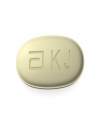
Clarithromycin
Biaxin, a well-known antibiotic in the macrolide class, is widely used for its effectiveness in treating ...

Cefuroxime
Ceftin, a highly regarded antibiotic in the cephalosporin class, is widely recognized for its effectiveness ...

Chloramphenicol
Chloromycetin, an esteemed antibiotic in the phenicol class, is known for its potent ability to treat ...


Cefadroxil
Duricef, a widely respected antibiotic in the cephalosporin class, is highly effective in treating ...

Erythromycin
Ilosone, a renowned antibiotic in the macrolide class, is celebrated for its effectiveness in treating ...

Minocycline hydrochloride
Minocin, a powerful antibiotic in the tetracycline class, is widely recognized for its effectiveness ...

ethambutol hydrochloride
Myambutol, a trusted name in the world of antimicrobial agents, is widely recognized for its effectiveness ...
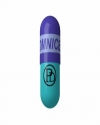

Ethionamide
Trecator-SC, with its active ingredient ethionamide, stands as a crucial second-line antibiotic in ...

Cefpodoxime
Vantin, also known by its generic name cefpodoxime, is a trusted cephalosporin antibiotic used to ...

Amoxicillin
Cenmox, a cornerstone in the antibiotic category, stands as a reliable solution for common bacterial ...

Clindamycin

Moxifloxacin


Cefpodoxime

Clarithromycin


Ampicilline
Feeling under the weather and suspect a bacterial infection? Don't let a trip to the pharmacy slow you down. RiteDrugstore offers a safe and secure way to buy antibiotics online, delivered straight to your door.
Antibiotics are crucial medications used to treat bacterial infections effectively. If you're looking to buy antibiotics online, RiteDrugstore is your trusted partner, offering a seamless and secure way to order your medications from the comfort of your home.
History of Antibiotics
The story begins not in a grand laboratory but in the dusty, cluttered space of a Scottish bacteriologist named Alexander Fleming. The year was 1928, and Fleming was studying staphylococci bacteria. One day, he returned from vacation to find a mold—yes, a mere mold—contaminating one of his petri dishes. But this was no ordinary mold. Where it grew, the bacteria seemed to wither away, as if some mysterious force was repelling them.
Most might have discarded the spoiled dish, but Fleming was no ordinary scientist. He recognized the potential of this serendipitous event. The mold was Penicillium notatum, and it produced a substance that killed bacteria—a substance he would later name penicillin. This was the first antibiotic, a weapon of unparalleled power in the fight against bacterial infections.
Yet, the story of antibiotics is not just about discovery. It’s about survival. Before antibiotics, even a minor cut could become a death sentence. Infections like pneumonia, tuberculosis, and sepsis ravaged populations, with little to stop their march. Penicillin was the first glimmer of hope, a signal that the tide could be turned.
However, the journey from petri dish to lifesaving drug was not straightforward. Fleming’s discovery languished for years, a powerful weapon without a means of deployment. It wasn’t until World War II, when the urgency of saving soldiers’ lives pressed science into action, that penicillin was mass-produced. The war, with all its horrors, accelerated its development, transforming the antibiotic from a scientific curiosity into a miracle drug.
Penicillin’s success sparked a golden age of antibiotics. Scientists raced to uncover more of these microbial marvels, leading to the discovery of streptomycin, tetracycline, and many others. These drugs became the backbone of modern medicine, turning once-deadly diseases into manageable conditions. The villains were being vanquished, one after another.
But here’s where the plot thickens: the villains were not so easily defeated. Bacteria, those ancient, adaptable entities, began to evolve. They developed resistance, learning how to survive even in the presence of these potent drugs. The very weapons that had saved millions were now at risk of losing their effectiveness. The war was far from over.
Today, the story of antibiotics is at a critical juncture. The overuse and misuse of these drugs have accelerated the rise of resistant strains, creating superbugs that are harder and harder to defeat. The triumph of antibiotics, once so absolute, now teeters on the brink of reversal. The heroes in this story are still fighting, but they need new weapons, new strategies, and a renewed commitment to using antibiotics wisely.
The history of antibiotics is a tale of human ingenuity and perseverance, of science triumphing over nature’s deadliest forces. But it’s also a reminder that in this ongoing battle, we must remain vigilant. The story isn’t over, and the next chapter is ours to write. Will we squander this gift of antibiotics, or will we rise to the challenge and preserve their power for generations to come? The choice is ours, and the stakes have never been higher.
What Are Antibiotics?
Antibiotics are substances that kill or inhibit the growth of bacteria. Unlike other drugs that treat symptoms, antibiotics target the root cause of bacterial infections. They are different from antiviral or antifungal medications, which target viruses and fungi, respectively.
How Do Antibiotics Work?
Antibiotics work by attacking the essential functions of bacteria. They either kill the bacteria outright (bactericidal) or stop them from multiplying (bacteriostatic). Here’s how:
-
Cell Wall Synthesis Inhibition: Some antibiotics, like penicillin, prevent bacteria from forming a cell wall, which is essential for their survival. Without a cell wall, the bacteria burst and die.
-
Protein Synthesis Inhibition: Others, like tetracyclines, bind to bacterial ribosomes, which are responsible for making proteins. By disrupting protein production, these antibiotics prevent bacteria from growing and multiplying.
-
DNA Replication Interference: Some antibiotics, such as fluoroquinolones, interfere with the DNA replication process, stopping bacteria from multiplying and spreading.
-
Metabolic Pathway Blockage: Antibiotics like sulfonamides inhibit the metabolic pathways that bacteria need to survive, effectively starving them.
Why Are Antibiotics Important?
Before the discovery of antibiotics, bacterial infections were often fatal. Even minor injuries or surgeries could lead to life-threatening infections. Antibiotics made it possible to treat these infections effectively, drastically reducing death rates and transforming healthcare.
The Challenge of Antibiotic Resistance
However, the effectiveness of antibiotics is under threat due to antibiotic resistance. This occurs when bacteria evolve and develop the ability to survive even in the presence of antibiotics. Resistance is accelerated by the misuse and overuse of antibiotics, such as using them for viral infections where they are ineffective, or not completing prescribed courses, which allows some bacteria to survive and adapt.
The Future of Antibiotics
To ensure antibiotics remain effective, it’s crucial to use them responsibly. This includes only taking them when prescribed, completing the full course, and supporting efforts to develop new antibiotics and alternative treatments.
Types of Antibiotics
Antibiotics come in various types, each with specific mechanisms of action and target bacteria. Understanding the different types of antibiotics is essential for treating infections effectively. Here’s a breakdown of the main categories:
1. Beta-Lactams
Examples: Penicillin, Amoxicillin, Cephalosporins
- How They Work: Beta-lactams are one of the most common types of antibiotics. They inhibit the synthesis of the bacterial cell wall, leading to the bursting and death of the bacteria.
- Uses: Effective against a wide range of bacteria, including those causing pneumonia, strep throat, and skin infections.
2. Macrolides
Examples: Erythromycin, Azithromycin, Clarithromycin
- How They Work: Macrolides interfere with bacterial protein synthesis by binding to their ribosomes. This prevents bacteria from growing and reproducing.
- Uses: Commonly used for respiratory infections, sexually transmitted infections (STIs), and certain skin infections.
3. Tetracyclines
Examples: Tetracycline, Doxycycline, Minocycline
- How They Work: Tetracyclines inhibit protein synthesis in bacteria by binding to the ribosome. They are bacteriostatic, meaning they stop bacteria from growing but don’t necessarily kill them outright.
- Uses: Effective against a broad spectrum of bacteria, including those causing acne, Lyme disease, and respiratory infections.
4. Aminoglycosides
Examples: Gentamicin, Amikacin, Tobramycin
- How They Work: Aminoglycosides also target bacterial ribosomes, but they are bactericidal, meaning they kill the bacteria directly. They are often used in combination with other antibiotics.
- Uses: Primarily used for severe infections like sepsis, hospital-acquired infections, and infections in immunocompromised patients.
5. Fluoroquinolones
Examples: Ciprofloxacin, Levofloxacin, Moxifloxacin
- How They Work: Fluoroquinolones inhibit bacterial DNA replication by interfering with enzymes like DNA gyrase. This prevents bacteria from multiplying.
- Uses: Effective against a wide range of infections, including urinary tract infections (UTIs), respiratory infections, and gastrointestinal infections.
6. Sulfonamides
Examples: Sulfamethoxazole, Trimethoprim (often combined as TMP-SMX)
- How They Work: Sulfonamides block the synthesis of folic acid in bacteria, which is essential for their growth and multiplication.
- Uses: Commonly used to treat UTIs, certain types of pneumonia, and infections caused by parasites like Toxoplasma.
7. Glycopeptides
Examples: Vancomycin, Teicoplanin
- How They Work: Glycopeptides inhibit cell wall synthesis in bacteria, similar to beta-lactams, but are often used when bacteria are resistant to other antibiotics.
- Uses: Primarily used for serious infections caused by Gram-positive bacteria, including MRSA (methicillin-resistant Staphylococcus aureus).
8. Oxazolidinones
Examples: Linezolid
- How They Work: Oxazolidinones inhibit protein synthesis by binding to a unique site on the bacterial ribosome, making them effective against some resistant bacteria.
- Uses: Used for treating serious infections like pneumonia and skin infections caused by resistant bacteria.
9. Polymyxins
Examples: Polymyxin B, Colistin
- How They Work: Polymyxins disrupt the bacterial cell membrane, causing cell death. They are often used as a last resort due to their toxicity.
- Uses: Effective against multi-drug-resistant Gram-negative bacteria, often used in cases where other antibiotics have failed.
10. Lincosamides
Examples: Clindamycin
- How They Work: Lincosamides inhibit bacterial protein synthesis, similar to macrolides, but are particularly effective against anaerobic bacteria.
- Uses: Often used for treating serious infections like osteomyelitis, and certain skin and soft tissue infections.
Important Information
- Always Consult Your Doctor: Antibiotics are powerful medications and should only be taken under the supervision of a healthcare professional. Schedule an appointment with your doctor to get a diagnosis and determine if antibiotics are the right treatment for you.
- Never Share Antibiotics: Antibiotics are specific to certain bacterial infections. Sharing them with others can be dangerous and contribute to antibiotic resistance.
- Follow Your Doctor's Instructions: Take antibiotics exactly as prescribed by your doctor to ensure they are effective and to minimize the risk of side effects.
RiteDrugstore pharmacists can't diagnose or treat infections. We're here to make refilling or transferring your existing antibiotic prescription a breeze.
Follow Doctor’s Instructions
- Dosage and Schedule: Take antibiotics exactly as prescribed by your doctor. Do not skip doses or stop taking the medication early, even if you feel better.
- Food and Medication Interactions: Some antibiotics should be taken with food, while others should be taken on an empty stomach. Be sure to follow your doctor’s or pharmacist’s instructions.
Side Effects
Common Side Effects: These may include nausea, diarrhea, and allergic reactions. Contact your healthcare provider if you experience severe side effects.
Drug Interactions: Inform your doctor about all medications you are taking to avoid potential interactions.
Why Buy Antibiotics from Us?
- Convenience at Your Fingertips: Skip the waiting room! Refill or transfer your existing prescription for antibiotics quickly and easily through our secure online platform.
- Fast and Discreet Delivery: Get the medication you need, when you need it. Enjoy fast and discreet delivery to your doorstep, saving you valuable time and energy.
- Licensed Pharmacists Available: Our team of licensed pharmacists is available to answer any questions you may have about your antibiotics or your online order.
- Comprehensive Information: Detailed information about each antibiotic, including usage, dosage, and potential side effects, is available to help you make informed decisions.
- 24/7 Availability: Our customer support team is available around the clock to assist with any questions or concerns you may have about your order or medication.
- Auto-Refill Options: Set up auto-refills for your antibiotics to ensure you never run out of your essential medication.
- Track Your Order: Stay updated with real-time tracking of your order from the moment it’s shipped until it reaches your doorstep.
Safety and Security
- Secure Transactions: RiteDrugstore uses advanced technology to ensure your personal and payment information is secure.
- Quality Assurance: All antibiotics are sourced from reputable manufacturers and are stored under strict conditions to maintain their efficacy.
Ready to Get Started?
-
Speak with Your Doctor: Get a diagnosis or a prescription for the appropriate antibiotic.
-
Relax and Recover: We'll handle the rest! Get your medication delivered quickly and discreetly to your door.
- Focus on feeling better, let RiteDrugstore take care of the rest.
FAQs
Do I need a prescription to buy antibiotics online?
Yes, a valid prescription from a licensed healthcare provider is required to purchase antibiotics online from RiteDrugstore.
How long does shipping take?
We offer fast and reliable shipping, with most orders delivered within 14-21 business days. Expedited shipping options are also available.
Can I speak to a pharmacist if I have questions?
Absolutely! Our licensed pharmacists are available 24/7 to provide expert advice and answer any questions you may have about your medication.
Can antibiotics be taken with herbal supplements or vitamins?
It's important to consult with your healthcare provider or pharmacist before combining antibiotics with herbal supplements or vitamins. Some supplements may interact with antibiotics, affecting their effectiveness or causing adverse reactions.
What should I do if I miss a dose of antibiotics?
If you miss a dose of antibiotics, take it as soon as you remember unless it's almost time for your next scheduled dose. In that case, skip the missed dose and continue with your regular dosing schedule. Do not double up on doses to make up for a missed one.
Are there any lifestyle changes I should make while taking antibiotics?
Alongside taking antibiotics, consider supporting your recovery with adequate rest and hydration. Avoid alcohol consumption as it can interfere with some antibiotics. Additionally, maintaining good hygiene practices can help prevent the spread of infections.
How can I store antibiotics properly at home?
Store antibiotics according to the instructions on the medication label or as advised by your pharmacist. Typically, they should be kept in a cool, dry place away from direct sunlight and moisture. Some antibiotics may require refrigeration.
What should I do if I experience an allergic reaction to an antibiotic?
Allergic reactions to antibiotics can range from mild rashes to severe anaphylaxis. If you experience symptoms like itching, swelling, difficulty breathing, or a rash shortly after taking an antibiotic, seek medical attention immediately. Inform your healthcare provider about any known allergies before starting antibiotics.


