


Eye drop


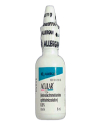
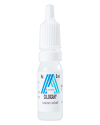
Ciprofloxacin
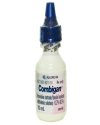
Brimonidine Tartrate and Timolol Maleate

Cyclopentolate

Cyclosporine
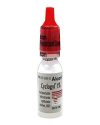
Cyclopentolate


Timolol Maleate

Obramycin/Dexamethasone

Travoprost


Bimatoprost
Bimatoprost 0.03% is like a precision tool for your eye health. This specific ...
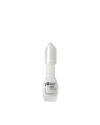
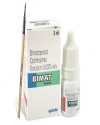
Bimatoprost
Imagine your eye as a tiny, intricate world with its own plumbing system. Sometimes, that system gets ...

Bimatoprost
Careprost is primarily recognized for its ability to enhance eyelash growth, but ...

Bimatoprost
Careprost is primarily known for its eyelash-enhancing properties, but it's important ...

Bimatoprost
Lumigan is an eye drop medication used to lower high pressure within the eye. It's ...
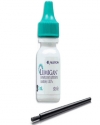
Bimatoprost
Lumigan is a lash transformation eye drop. This FDA-approved solution enhances natural beauty by stimulating ...

Brinzolamide ophthalmic

Dorzolamide/Timolol

Tropicamide
Dorzolamide ophthalmic
From soothing irritation to treating infections, eye drops play a crucial role in maintaining our ocular health. Their targeted delivery system offers a convenient and effective way to administer medication directly to the eyes. But with various types and formulations available, navigating the world of eye drops can sometimes feel overwhelming.
We will delve deep into the realm of eye drops, exploring their uses, types, application techniques, and essential safety considerations. Whether you're a seasoned eye drop user or simply curious about these tiny but powerful solutions, this guide will provide you with valuable insights and knowledge.
Understanding Eye Drops
Eye drops, also known as ophthalmic solutions or ophthalmic suspensions, are liquid medications specifically formulated for use in the eyes. They come in small plastic bottles with a dropper tip or in single-use vials. The primary purpose of eye drops is to deliver medication directly to the surface of the eye or the surrounding structures.
The composition of eye drops can vary depending on their intended use. They typically contain a combination of active ingredients, preservatives, buffers, and viscosity agents. Active ingredients are the medicinal components responsible for the therapeutic effect, while preservatives prevent microbial contamination. Buffers help maintain a stable pH, and viscosity agents improve the retention time of the drops on the eye surface.
Why Are Eye Drops Used?
Eye drops are used to address a wide range of eye conditions and symptoms. Some common uses include:
- Dry eye syndrome: Lubricating eye drops provide relief from dryness, irritation, and discomfort associated with dry eye syndrome.
- Allergies: Antihistamine eye drops help alleviate itchy, red, and watery eyes caused by allergies.
- Infections: Antibiotic or antiviral eye drops treat bacterial or viral infections of the eye, such as conjunctivitis (pink eye).
- Inflammation: Corticosteroid eye drops reduce inflammation associated with various eye conditions, including uveitis and allergic conjunctivitis.
- Glaucoma: Glaucoma eye drops lower intraocular pressure (IOP), helping to manage and prevent further damage to the optic nerve.
- Surgery: Eye drops are used before, during, and after eye surgeries to dilate the pupil, prevent infection, and reduce inflammation.
Types of Eye Drops
Eye drops are available in various formulations and types, each catering to specific needs and conditions. Some common types include:
- Lubricating eye drops: These drops, also called artificial tears, mimic the natural tears of the eye, providing moisture and relief from dryness.
- Antihistamine eye drops: They block the release of histamine, a substance responsible for allergic reactions, reducing itching and redness.
- Antibiotic eye drops: These drops contain antibiotics that fight bacterial infections of the eye.
- Antiviral eye drops: They combat viral infections, such as herpes simplex keratitis.
- Corticosteroid eye drops: They suppress inflammation and are used to treat conditions like uveitis and allergic conjunctivitis.
- Glaucoma eye drops: These drops lower IOP by either decreasing fluid production in the eye or increasing fluid outflow.
- Mydriatic eye drops: They dilate the pupil, allowing for better examination of the back of the eye during an eye exam.
- Cycloplegic eye drops: They paralyze the focusing muscles of the eye, also used during eye exams and certain eye surgeries.
Choosing the Right Eye Drops
Selecting the appropriate eye drops is crucial for effective treatment. It's essential to consult an eye care professional to determine the underlying cause of your eye symptoms and receive a proper diagnosis. They will then be able to recommend the most suitable eye drops based on your specific condition.
When choosing eye drops, consider the following factors:
- Condition: The type of eye drops you need will depend on the specific condition you're experiencing.
- Severity: For mild symptoms, over-the-counter lubricating eye drops may suffice. However, for more severe conditions, prescription eye drops might be necessary.
- Active ingredient: Pay attention to the active ingredient(s) in the eye drops, as this will determine their therapeutic effect.
- Preservatives: Some individuals may be sensitive to certain preservatives used in eye drops. If you experience any irritation or discomfort, consider preservative-free options.
- Brand: While several brands may offer similar eye drops, their formulations and effectiveness might differ slightly. Consult your eye care professional for recommendations.
How to Use Eye Drops
Proper administration of eye drops is crucial for maximizing their effectiveness and minimizing any potential risks. Follow these general steps for safe and effective eye drop application:
- Wash your hands thoroughly: Before handling eye drops, wash your hands with soap and water to prevent contamination.
- Check the expiration date: Ensure the eye drops are not expired, as using expired medications can be ineffective or even harmful.
- Shake the bottle: If instructed on the label, gently shake the bottle to ensure the medication is well mixed.
- Tilt your head back: Tilt your head back slightly and look upwards.
- Pull down your lower eyelid: Using your non-dominant hand, gently pull down your lower eyelid to create a small pocket.
- Hold the bottle close to your eye: Hold the bottle close to your eye without touching the tip to your eye or any other surface.
- Squeeze one drop into the pocket: Gently squeeze the bottle to release one drop into the lower eyelid pocket.
- Close your eye: Close your eye gently and keep it closed for a few minutes.
- Apply pressure to the inner corner: Apply gentle pressure to the inner corner of your eye for a minute or two to prevent the medication from draining into your tear ducts.
- Repeat if necessary: If instructed to use multiple drops, wait a few minutes between each drop.
- Wipe away excess: Use a clean tissue to wipe away any excess medication from around your eye.
- Wait before applying other medications: If you're using multiple eye drops, wait at least five minutes between each medication.
- Wash your hands again: After applying eye drops, wash your hands again to remove any medication residue.
Important Safety Considerations
While eye drops are generally safe when used correctly, it's crucial to follow safety guidelines to prevent any potential complications. Here are some essential safety considerations:
- Avoid touching the tip of the bottle: Never touch the tip of the bottle to your eye or any other surface to prevent contamination.
- Don't share eye drops: Eye drops are for personal use only and should not be shared with others.
- Store eye drops properly: Follow the storage instructions on the label. Most eye drops should be stored at room temperature away from direct sunlight and heat.
- Discard single-use vials: Single-use vials should be discarded immediately after use, even if there is medication remaining.
- Be aware of potential side effects: Some eye drops may cause temporary side effects like stinging, burning, or blurred vision. If you experience any severe or persistent side effects, contact your eye care professional immediately.
- Consult your doctor before using eye drops during pregnancy or breastfeeding: Some medications may not be safe to use during pregnancy or breastfeeding. Always consult your doctor before using any eye drops during these periods.
- Don't use eye drops for longer than recommended: Prolonged use of certain eye drops, especially those containing corticosteroids, can lead to serious complications. Follow your eye care professional's instructions regarding the duration of treatment.
- Be cautious when using eye drops with contact lenses: Some eye drops may not be compatible with contact lenses. If you wear contact lenses, consult your eye care professional for guidance on using eye drops safely.
Eye drops are invaluable tools for maintaining optimal eye health and treating various eye conditions. By understanding their uses, types, application techniques, and safety considerations, you can confidently incorporate them into your eye care routine. Remember, always consult an eye care professional for proper diagnosis and guidance on selecting and using eye drops safely and effectively. With the right knowledge and care, you can ensure your eyes stay healthy and comfortable for years to come.
Ordering Eye Drops Online
Tired eyes? Itchy allergies? Don't blink and miss out on clear, comfortable vision. RiteDrugstore Pharmacy delivers the eye drops you need, right when you need them - no squinting required.
Why Choose RiteDrugstore for Your Eye Drops?
- Wide Selection: From everyday relief to prescription powerhouses, our digital shelves are stocked with top brands and trusted formulas.
- Expert Pharmacists: Have a burning question? Our team of licensed pharmacists are on call around the clock to offer personalized advice and ensure your safety.
- Transparent Pricing: See your cash price upfront, before you click, so you know exactly what to expect.
- Fast Delivery: Say goodbye to pharmacy runs! Your eye drops arrive discreetly at your doorstep, often within a few days.
- Automatic Refills: Never run out of those crucial drops again. Sign up for automatic refills and let us take care of the restocking.
Say goodbye to waiting in line at the pharmacy. With RiteDrugstore Mail Order Pharmacy, you can order your eye drops online and have them delivered to your door. It's a simple, convenient, and affordable way to manage your eye care.
FAQs
Can I use eye drops if I have sensitive skin around my eyes?
Yes, but you should choose eye drops that are specifically designed for sensitive eyes or are preservative-free. Always do a patch test before applying regularly and consult your eye care professional if you have concerns.
What should I do if I accidentally get eye drops in my mouth?
While ingesting a small amount of eye drops is unlikely to be harmful, rinse your mouth with water and contact your healthcare provider or poison control for specific advice based on the ingredients of the eye drops.
How can I tell if my eye drops have gone bad?
Check for changes in color, consistency, or the presence of floating particles. Also, if the eye drops produce an unusual odor or cause increased irritation, it might be time to replace them. Always adhere to the expiration date on the label.
Is it safe to use eye drops while wearing makeup?
Yes, but apply eye drops before applying makeup or wait at least 10-15 minutes after applying eye drops before putting on makeup. This helps prevent contamination and ensures the effectiveness of the eye drops.
Can I use eye drops from a previous prescription for a new condition?
No, you should not use eye drops from a previous prescription for a new condition without consulting your eye care professional. Different conditions require different formulations and dosages.
What are the risks of overusing lubricating eye drops?
Overuse of lubricating eye drops is generally safe, but excessive use can lead to dependency and mask underlying issues. Consult your eye care professional to ensure you're not treating symptoms that require different management.
How can I keep track of multiple eye drop medications?
Use a medication schedule or app to track when and which eye drops to use. Keeping a written log or setting reminders can also help ensure proper usage and timing between different medications.
Are there any special considerations for using eye drops in children?
Yes, the dosage and type of eye drops used for children may differ from adults. Always follow pediatric guidelines and consult a pediatric ophthalmologist for appropriate recommendations and administration techniques.
What if I accidentally drop multiple drops at once?
If you accidentally use too many drops, it’s usually not harmful but can cause temporary irritation. Wait for a while before applying more drops and consult your eye care professional if you experience any unusual symptoms.
Can I use eye drops if I have a history of eye surgeries?
It depends on the type of surgery and your current eye health. Consult your eye care professional to ensure the eye drops you choose are safe and appropriate for your specific post-surgical needs.


