


Antibacterial
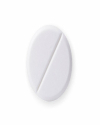

Diaminodiphenyl sulfone


Diaminodiphenyl sulfone
If you're struggling with persistent skin conditions like leprosy or acne, or facing certain infections, ...

Metronidazole
Flagyl, a potent antibiotic in the nitroimidazole class, is renowned for its effectiveness in treating ...
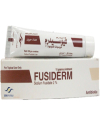
Betamethasone and Fusidic Acid



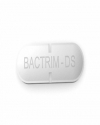
Trimethoprim
Bactrim, a trusted and versatile antibiotic, stands ready to protect your health from a wide array ...


Amoxicillin
Trimox, a reliable and versatile antibiotic, stands ready to defend your health against a wide range ...

Nitrofurantoin
Furadantin, a trusted name in the world of urinary tract health, stands ready to combat those pesky ...

Roxithromycin
Rulide, a trusted name in the world of antibiotics, stands ready to combat a variety of bacterial ...

Mesalamine
Asacol, a trusted companion for those navigating the challenges of ulcerative colitis, offers soothing ...
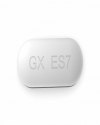
Cefuroxime
Ceftin, a highly regarded antibiotic in the cephalosporin class, is widely recognized for its effectiveness ...

Calcipotriol

In the ongoing battle against bacterial infections, antibacterial medications stand as invaluable allies. These medications are specifically designed to target and eliminate harmful bacteria within the body. From minor skin infections to life-threatening illnesses, antibacterial medications have revolutionized modern medicine by providing effective treatments.
Before taking any antibacterial medication, it's crucial to consult with a healthcare provider to receive a proper diagnosis. Not all infections are caused by bacteria, and taking antibacterial medications unnecessarily can contribute to resistance. Your healthcare provider will determine the cause of your infection and recommend the appropriate treatment.
How Antibacterials Work?
Antibacterial medications work their magic through various mechanisms. Some disrupt the formation of the bacterial cell wall, rendering the bacteria vulnerable and causing it to burst. Others interfere with essential processes within the bacterial cell, such as DNA replication or protein synthesis, leading to the bacteria's demise. The specific mechanism of action depends on the type of antibiotic being used.
Effectiveness
Antibacterial medications have proven to be remarkably effective in combating a wide range of bacterial infections. When chosen correctly and used as directed, these medications can cure infections, prevent complications, and even save lives. However, the overuse or misuse of antibiotics has led to the emergence of antibiotic-resistant bacteria, making some infections more challenging to treat.
Side Effects
While generally safe when used appropriately, antibacterial medications can sometimes cause side effects. These can range from mild issues like upset stomach and diarrhea to more severe allergic reactions. It's crucial to inform your healthcare provider about any known allergies or medical conditions before taking any antibacterial medication.
As with any medication, antibacterial medications can sometimes bring along uninvited side effects. Common ones include nausea, vomiting, diarrhea, and rash. In rare cases, more severe allergic reactions can occur. If you experience any unusual symptoms while taking an antibiotic, seek medical attention promptly.
Dosage
The appropriate dosage of an antibacterial medication depends on various factors, including the type of infection, its severity, the patient's age and weight, and kidney function. It's essential to follow your healthcare provider's instructions regarding dosage and duration of treatment to ensure optimal results and minimize the risk of complications.
The Cost of Antibacterials
The cost of antibacterial medications can vary significantly depending on several factors, including the type of antibiotic, brand versus generic, and the specific pharmacy. In general, generic antibiotics tend to be more affordable than their brand-name counterparts. Additionally, some pharmacies may offer discounts or have programs to help lower the cost of medications.
Ways to Save $$ on Antibacterials
Several strategies can help you save money on antibacterial medications:
- Ask about generic options: Inquire with your healthcare provider or pharmacist if a generic version of your prescribed antibiotic is available.
- Shop around: Prices for medications can vary between pharmacies, so it's worth comparing prices before purchasing.
- Patient assistance programs: Some pharmaceutical companies offer programs to help patients with limited financial resources access their medications.
- Coupons and discounts: Look for coupons or discounts online or through your pharmacy.
Generics: The Affordable Alternative
Generic antibacterial medications are chemically identical to their brand-name counterparts but are typically sold at a lower price. This makes them a more affordable option for many patients. However, it's important to note that not all antibacterial medications have generic versions available.
Ordering Antibacterial Medications Online: A Modern Convenience
Ordering antibacterial medications online has become increasingly popular due to its convenience and often lower prices. Reputable online pharmacies offer a wide range of antibiotics and ensure the authenticity and quality of their products.
Pros and Cons
Pros:
- Effective in treating a wide range of bacterial infections
- Can cure infections, prevent complications, and save lives
- Generic versions offer more affordable options
Cons:
- Potential for side effects
- Risk of allergic reactions
- Overuse can lead to antibiotic resistance
Safety Precautions
Before taking any antibacterial medication, inform your healthcare provider about:
- Allergies to any medications
- Other medical conditions you have
- Medications you are currently taking, including over-the-counter drugs and supplements
- Pregnancy or breastfeeding
Side Effects
Common side effects of antibacterial medications can include:
- Nausea
- Vomiting
- Diarrhea
- Upset stomach
- Rash
- Allergic reactions (rare but can be severe)
Contraindications
Certain medical conditions may make it unsafe to take specific antibacterial medications. It's essential to discuss your medical history with your healthcare provider to ensure the prescribed antibiotic is safe for you.
Drug Interactions
Some antibacterial medications may interact with other drugs, including over-the-counter medications and supplements. Always inform your healthcare provider about all medications you are taking to avoid potential interactions.
Alternatives
In some cases, alternative treatments may be available for bacterial infections, such as:
- Natural remedies: Some natural remedies like garlic and honey have antibacterial properties and may be helpful for mild infections.
- Probiotics: Probiotics can help restore the balance of good bacteria in the gut and may be beneficial during and after antibiotic treatment.
FAQs
How long do I need to take Antibacterial medications?
The duration of antibiotic treatment depends on the type and severity of the infection. Always complete the full course of treatment as prescribed by your doctor, even if you feel better before finishing all the medication.
Will the effects of Antibacterial medication wear off after stopping treatment?
In most cases, the effects of antibacterial medication will not wear off after stopping treatment, as long as the infection has been fully eradicated. However, some infections may require a longer duration of treatment or additional therapies to ensure complete recovery.
Is It Safe to Buy Antibacterial Medications Online?
While buying antibacterial medications online can be safe, it's essential to choose a reputable online pharmacy. Avoid purchasing antibiotics from unknown or suspicious websites, as these may sell counterfeit or substandard medications.
Can I Get Antibacterial Medications Over the Counter?
In most countries, antibacterial medications are prescription-only drugs, meaning you need a valid prescription from a healthcare provider to purchase them. However, some topical antibiotics for minor skin infections may be available over the counter.
What Forms Does Antibacterial Medication Come In?
Antibacterial medications are available in various forms, including tablets, capsules, liquids, creams, ointments, injections, and intravenous solutions. The form of medication you receive will depend on the type of infection and the specific antibiotic prescribed.
How Effective Is Antibacterial Medication?
The effectiveness of antibacterial medication depends on several factors, including the type of infection, the specific antibiotic used, the dosage, and the duration of treatment. When used correctly, antibiotics can be highly effective in eradicating bacterial infections.
How Antibacterial Medication Can Help You:
Antibacterial medication can help you by:
- Curing bacterial infections
- Preventing complications associated with infections
- Reducing the spread of infections to others
- Alleviating symptoms caused by bacterial infections
What are the Expected Results of Using Antibacterial Medications?
The expected results of using antibacterial medications include:
- Resolution of infection
- Improvement in symptoms
- Prevention of complications
How Long Does It Take for Antibacterial Medication to Work?
The time it takes for antibacterial medication to work can vary depending on the type of infection and the specific antibiotic used. Some antibiotics may start working within a few hours, while others may take several days to show significant improvement.
How Long Does It Take to See Results?
You may start to feel better within a few days of starting antibacterial medication. However, it's important to complete the entire course of treatment as prescribed, even if you feel better before finishing all the medication.


