


HIV


Nevirapine
When it comes to managing HIV, Viramune (nevirapine) stands out as a beacon of hope and efficacy. ...

Dolutegravir/Lamivudine/Tenofovir disoproxil fumarate
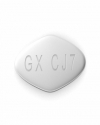
Lamivudine
Epivir is a leading antiviral medication used to treat HIV and chronic hepatitis B virus (HBV) infections. ...


Lopinavir/Ritonavir
Kaletra is a formidable weapon in the arsenal against HIV. This combination medication works by preventing ...

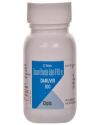


Raltegravir

Disoproxil Fumarate

Tenofovir/Emtricitabine

Dolutegravir

Abacavir/dolutegravir/lamivudine

Didanosine


Abacavir Sulfate
Living with HIV can be challenging, but with the right treatment, it's possible to manage the virus effectively and live a long, healthy life. Today, a wide range of HIV medications is available, offering more options than ever before to those battling this condition. we'll delve into the world of HIV medications, shedding light on the different types, how they work, and essential considerations for patients seeking treatment.
HIV medications have revolutionized the lives of people living with HIV, offering hope and a path toward a healthy future. With advancements in treatment options and ongoing research, the prospect of a cure or long-term remission becomes increasingly promising. By working closely with healthcare providers, patients can navigate the complexities of HIV treatment and make informed decisions about their care.
A Brief History of HIV/AIDS
First recognized in the early 1980s, HIV/AIDS has had a profound impact on the world.
Initially, it was a devastating diagnosis with limited treatment options. However, significant advancements in research and medical technology have transformed the landscape of HIV treatment. Today, people living with HIV can expect to lead long, healthy lives with the right medications and care.
Early Diagnosis and Treatment
Early diagnosis of HIV is paramount for several reasons. First, it allows individuals to access treatment sooner, which can help prevent the progression of the virus and protect their immune system. Second, early treatment reduces the risk of transmitting HIV to others. Finally, starting treatment early improves overall health outcomes and quality of life.
Understanding HIV Medications
HIV medications, also known as antiretroviral therapy (ART), work by inhibiting the virus's ability to replicate within the body. This allows the immune system to rebuild itself, fight off infections, and prevent the progression of HIV to AIDS. When taken consistently and correctly, ART can suppress the virus to undetectable levels, significantly reducing the risk of transmission and improving the overall quality of life for people living with HIV.
Modern HIV treatment has revolutionized the lives of people living with HIV. With effective treatment, individuals can experience a significant increase in life expectancy, often approaching that of individuals without HIV. Moreover, treatment helps manage symptoms, improves overall well-being, and empowers people to live fulfilling lives.
The standard treatment regimen for HIV typically involves a combination of antiretroviral drugs from different classes, often referred to as Highly Active Antiretroviral Therapy (HAART). A common regimen includes drugs such as tenofovir, emtricitabine, and either efavirenz, dolutegravir, or bictegravir. This multi-drug approach helps to suppress viral replication, reduce the risk of drug resistance, and maintain overall health.
AIDS medications, on the other hand, may be prescribed when HIV has advanced to AIDS, focusing on treating opportunistic infections and managing complications associated with late-stage HIV disease. While both sets of medications target the effects of the virus, HIV medications aim to prevent the onset of AIDS.
Types of HIV Medications
Several classes of HIV medications exist, each targeting different stages of the virus's life cycle. Commonly prescribed medications include:
-
Nucleoside Reverse Transcriptase Inhibitors (NRTIs): These medications interfere with the virus's ability to convert its RNA into DNA, a crucial step in its replication process. Examples of NRTIs include Zidovudine (AZT), Lamivudine (3TC), and Emtricitabine (FTC).
-
Non-Nucleoside Reverse Transcriptase Inhibitors (NNRTIs): NNRTIs also target reverse transcriptase but in a different way than NRTIs. They bind to the enzyme, preventing it from functioning correctly. Examples of NNRTIs include Efavirenz, Nevirapine, and Rilpivirine
-
Protease Inhibitors (PIs): PIs inhibit the action of protease, an enzyme essential for the virus's assembly and maturation. By blocking protease, these medications prevent the virus from producing infectious particles. Examples of PIs include Atazanavir, Darunavir, and Ritonavir.
-
Integrase Strand Transfer Inhibitors (INSTIs): INSTIs interfere with the virus's ability to integrate its DNA into the host cell's DNA, preventing it from replicating. Examples of INSTIs include Raltegravir, Dolutegravir, and Elvitegravir.
-
Entry Inhibitors and Fusion Inhibitors: These medications block HIV from entering or fusing with host cells, preventing infection. Examples include Maraviroc and Enfuvirtide.
-
Fixed-Dose Combinations: Simplifying Treatment Fixed-dose combination medications, such as Atripla and Triumeq, combine multiple HIV medications into a single pill, making adherence easier and improving treatment outcomes.
Drug resistance in HIV treatment can complicate management by reducing the effectiveness of current medications. Resistance occurs when the virus mutates and becomes less susceptible to the drugs being used.
For individuals with drug-resistant HIV, alternative medication options are available. These may include different classes of antiretroviral drugs or newer agents not previously used. For example, new drugs like fostemsavir and ibalizumab offer alternative mechanisms of action for managing drug-resistant strains. A healthcare provider will tailor the treatment plan based on resistance patterns and patient history.
Dealing with Side Effects
HIV medications, like any medications, can have side effects. Common side effects may include nausea, fatigue, diarrhea, and skin rashes. Discuss any side effects you experience with your doctor, who can offer solutions to manage them or explore alternative medication options.
Getting the Right HIV Medication
Selecting the appropriate HIV medication involves several factors, including:
-
Individual Health Needs: A patient's overall health, including any existing medical conditions or allergies, will influence medication choices.
-
Viral Load and CD4 Count: The amount of virus in the blood (viral load) and the strength of the immune system (CD4 count) are crucial in determining the appropriate treatment regimen.
-
Potential Side Effects: Different medications have varying side effects. Finding a regimen with tolerable side effects is vital for adherence.
-
Drug Interactions: Some HIV medications can interact with other drugs a patient may be taking. Careful consideration is necessary to avoid adverse reactions.
-
Lifestyle Considerations: A patient's daily routine and preferences may also play a role in medication selection. Some medications require multiple doses per day, while others are available in once-daily formulations.
Importance of Adherence
HIV medication is typically taken for life. Adhering to an HIV medication regimen is crucial for achieving and maintaining viral suppression. Skipping doses or stopping medication altogether can lead to viral rebound, drug resistance, and disease progression.
HIV medications are typically taken daily, though the specific regimen may vary based on the medication and patient needs. Some newer formulations, such as long-acting injectables, may require administration only once a month or every two months. Consistent adherence to the prescribed regimen is crucial for maintaining viral suppression and preventing resistance.
Current HIV treatments have a high success rate in achieving viral suppression and improving patient outcomes. With adherence to a prescribed regimen, most patients can achieve undetectable viral loads and maintain a good quality of life.
Emerging Treatments and Future Directions
Currently, no HIV medications can cure the virus. However, antiretroviral therapy can effectively manage HIV by reducing viral loads to undetectable levels and preventing disease progression. Ongoing research aims to find a cure, but for now, lifelong medication adherence is necessary to control the virus and maintain health.
The field of HIV research is continuously evolving, with exciting advancements on the horizon. Long-acting injectables, gene therapy, and even potential cures are actively being explored. These innovations offer hope for even more effective and convenient treatment options in the future.. Some promising areas of research include:
-
Long-acting injectables: These medications offer the potential for less frequent dosing, improving adherence for some patients.
-
Gene therapy: This approach aims to modify a patient's cells to resist HIV infection.
-
Therapeutic vaccines: These vaccines aim to boost the immune system's response to HIV, potentially leading to a functional cure.
Recent advancements in HIV treatment include new medications and formulations designed to enhance efficacy and patient adherence. For example, Cabenuva, a long-acting injectable, was recently approved for use as a monthly regimen, representing a significant innovation in HIV management.
Mediction Storage
Some HIV medications, particularly certain injectable formulations and older antiretroviral drugs, may require refrigeration to maintain their effectiveness. However, most modern oral HIV medications are stable at room temperature. Patients should follow storage instructions provided by their healthcare provider or pharmacist to ensure the proper handling of their medications.
Cost of HIV medications
When analyzing the cost of HIV medications, several factors influence the overall price, leading to a wide range in costs. The specific type of medication plays a significant role, as different drugs may have varying price points. Dosage is another critical factor; higher dosages generally result in higher costs. Furthermore, whether the medication is a brand-name or a generic version can drastically affect the price. Brand-name HIV medications are often priced between several hundred to over a thousand dollars per month due to research, development, and marketing expenses. On the other hand, generic versions of these drugs, which contain the same active ingredients but are produced after the brand-name patent expires, tend to be significantly more affordable, making them a cost-effective option for many patients.
How to buy HIV Medications?
Obtaining HIV medications typically requires a prescription from a qualified healthcare provider. Your doctor will assess your health, discuss treatment options, and write a prescription tailored to your needs.
RiteDrugstore Mail Order Pharmacy offers a convenient and private way to order your HIV medications online. With home delivery, automatic refills, and discreet packaging, it provides a seamless solution for managing your treatment.
FAQs
What is the most effective medication for managing HIV?
The effectiveness of HIV medication often depends on individual patient factors, including their specific strain of the virus and any existing health conditions. Generally, a combination of antiretroviral drugs, known as Highly Active Antiretroviral Therapy (HAART), is considered the most effective approach. This regimen typically includes medications from different classes to suppress the virus and prevent resistance. Commonly prescribed drugs include tenofovir, emtricitabine, and efavirenz, among others. These medications work together to maintain viral suppression and improve overall health.
What are the common brand names of HIV drugs?
Several brand-name HIV medications are widely used in treatment regimens. These include Atripla, which combines tenofovir, emtricitabine, and efavirenz; Truvada, consisting of tenofovir and emtricitabine; and Biktarvy, a combination of bictegravir, tenofovir, and emtricitabine. Other notable brands include Descovy, Genvoya, and Tivicay. Each of these medications plays a role in controlling HIV and improving patient outcomes.
What oral tablets are prescribed for HIV treatment?
Oral tablets are a common form of HIV treatment. Popular oral tablets include Atripla, which is a single-pill combination of three antiretroviral drugs, and Biktarvy, which combines three different drugs into one tablet. Other examples are Truvada and Descovy, often used in combination with other medications to form a complete treatment regimen. These tablets are designed to be taken daily to effectively manage HIV.
What is the role of PrEP in HIV prevention?
PrEP, or pre-exposure prophylaxis, is a preventive strategy for individuals at high risk of contracting HIV. By taking medications like Truvada or Descovy daily, individuals can reduce their risk of acquiring HIV by up to 99%. PrEP works by maintaining sufficient drug levels in the body to prevent the virus from establishing a permanent infection, offering a crucial tool in HIV prevention.
What HIV medications are used in post-exposure prophylaxis (PEP)?
Post-exposure prophylaxis (PEP) involves taking HIV medications within 72 hours after a potential exposure to the virus. The standard PEP regimen typically includes a combination of drugs such as tenofovir, emtricitabine, and raltegravir. PEP is used to prevent the establishment of HIV infection after possible exposure and should be taken for 28 days.
What are the best HIV drugs for pregnant women?
For pregnant women with HIV, medications that are both effective and safe for the developing fetus are crucial. Commonly prescribed drugs include zidovudine (AZT), lamivudine, and tenofovir. These medications help to reduce the risk of mother-to-child transmission of HIV during pregnancy and childbirth. The treatment plan is carefully monitored to ensure safety for both the mother and the baby.
What is the most effective HIV medication for children?
For children with HIV, medications such as zidovudine (AZT), lamivudine, and tenofovir are often used. The choice of medication depends on the child’s age, weight, and specific health needs. Pediatric formulations and dosages are adjusted to ensure efficacy and minimize side effects. Regular monitoring is essential to manage treatment effectively and ensure the best outcomes.
What HIV medications are available in generic form?
Several HIV medications are available in generic form, which can offer cost savings. Examples include generic versions of tenofovir, emtricitabine, and lamivudine. Generic options provide the same therapeutic benefits as their brand-name counterparts but at a lower cost.
Are there HIV medications that are safe for patients with liver disease?
Some HIV medications can be used safely in patients with liver disease, but adjustments may be needed based on the severity of the liver condition. For instance, tenofovir and lamivudine are generally considered safer options. However, close monitoring is required to manage any potential liver-related side effects and ensure appropriate dosing.


